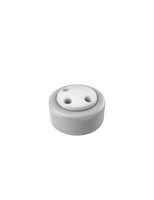
Chrom Tech Bottle Caps
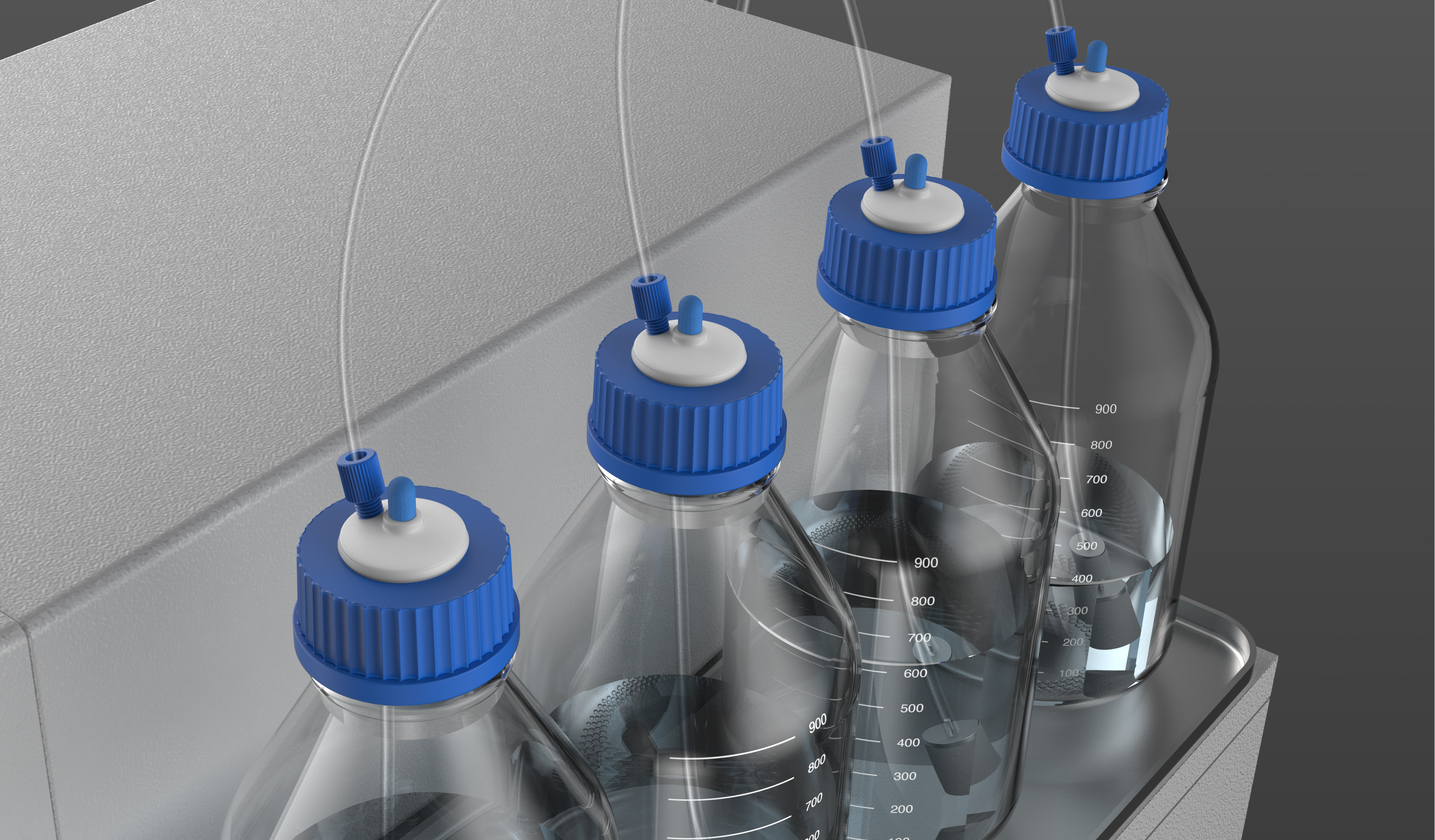
Bottle Caps for Safer Closed-System Solvent Extraction
Shop Chrom Tech 38-400, GL38, 38-430, and GL45 safety caps for HPLC, LC-MS, FPLC, SFC, and laboratory solvent reservoirs.
Choose by Bottle Thread, Bottle Material, and Typical Use
| Cap Type | Description | Typical Use | Image |
|---|---|---|---|
|
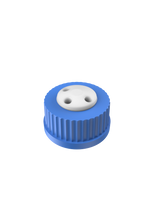
38-400 Safety Caps
|
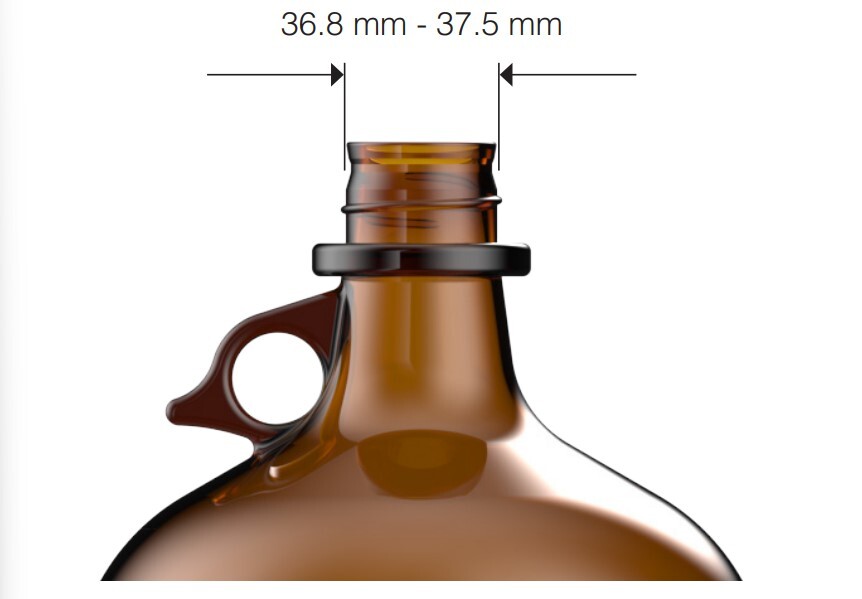
For 38 mm Wako®, Cubitainer®, Space Saver, and F-style jugs. These caps fit shallow 38-400 threads commonly used on laboratory chemical containers, industrial jugs, and solvent reservoirs where a secure closed-system connection is needed. | Solvent extraction from shallow 38-400 threaded containers. |
|
|
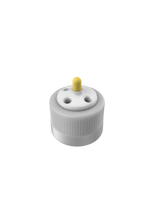
GL38 Safety Caps
|
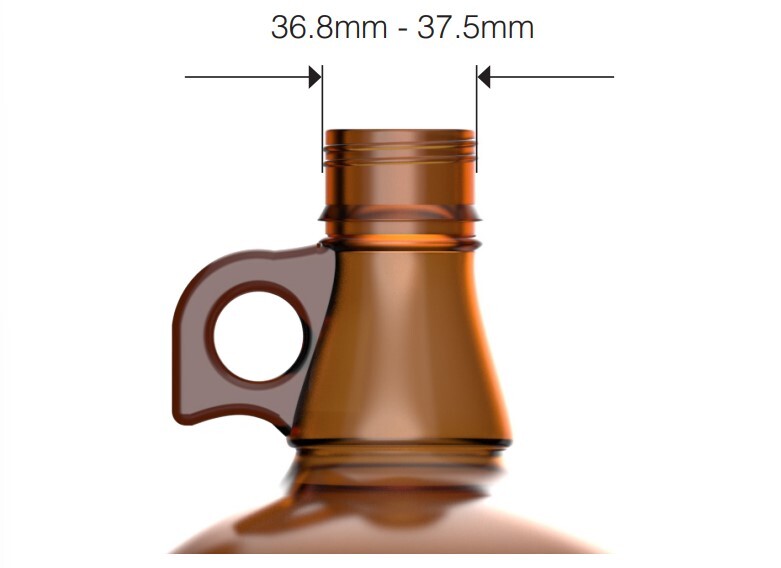
For 38-430 “GL” glass threaded bottles, including amber 4-liter solvent bottles from many chemical suppliers. GL38 caps are designed specifically for glass containers and should not be assumed interchangeable with plastic 38-430 bottle caps. | Amber glass solvent bottles and glass laboratory reservoirs. |
|
|
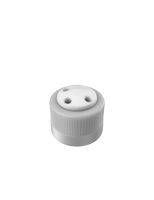
38-430 Safety Caps
|
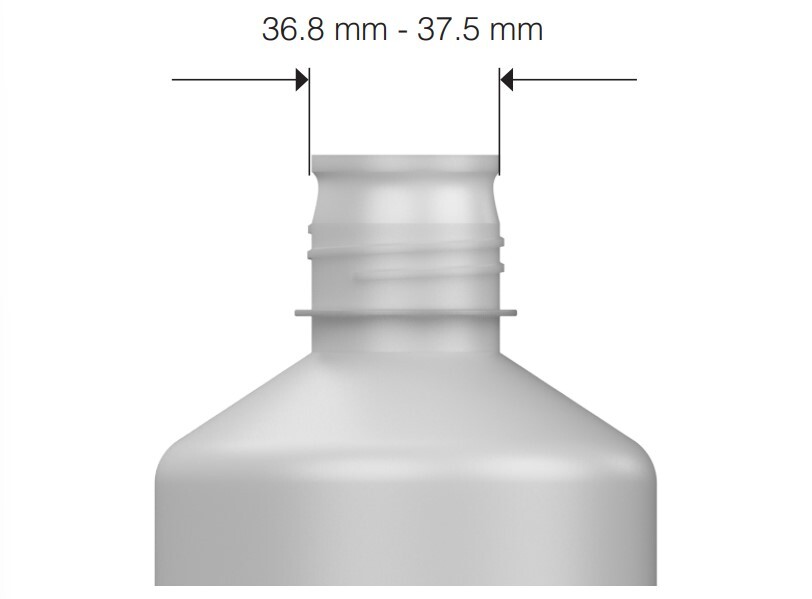
For Nalgene® and similar 38 mm plastic bottles. These caps are suited for lightweight, shatter-resistant plastic reservoirs used to store reagents, buffers, mobile phases, and other laboratory solutions. | Plastic reagent, buffer, and mobile phase reservoirs. |
|
|
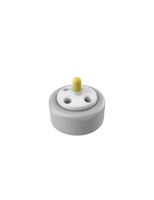
GL45 Safety Caps
|
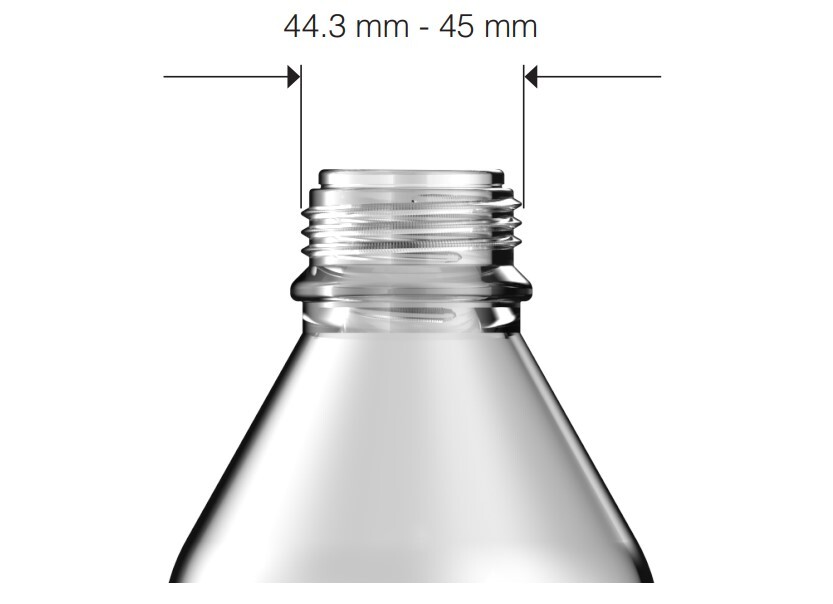
For 45 mm “GL” glass threaded bottles. GL45 is a common laboratory glassware standard used across solvent, reagent, and mobile phase bottles. Chrom Tech GL45 safety caps are designed to seal onto glass GL45 bottles, not plastic bottles. | Standard laboratory glass solvent bottles for HPLC and related systems. |
|
Chrom Tech bottle caps help laboratories create cleaner, safer solvent extraction setups by reducing open-container exposure during instrument operation. In active systems, solvents are continuously pulled from reservoirs into instruments, so the cap must allow controlled solvent delivery while helping minimize vapor escape, reagent evaporation, and improvised sealing methods such as foil or paraffin tape.
These safety caps are available with 1, 2, 3, or 4 Type A ports using 1/4-28 UNF connections. Select configurations are available with integrated one-way evaporation-control valves, replaceable particulate filters, and fittings for 1/8" OD tubing. EPDM, FKM, and FFKM valve seal options allow users to match cap materials to their solvent system and application requirements.
Shared Safety Cap Features
- Closed-system solvent extraction: helps minimize exposure to solvent fumes and vapors while reducing evaporation of valuable reagents.
- Type A tubing connections: 1/4-28 UNF ports support common flangeless fittings for instrument solvent lines.
- 1-4 tube configurations: choose the number of ports required for single-solvent, binary, ternary, or quaternary instrument setups.
- Valve seal options: EPDM, FKM, and FFKM configurations support different chemical compatibility requirements.
- Replaceable particulate filters: 50µm polyethylene filters help protect the valve inlet from airborne particles and are color-coded to identify valve seal material.
- Fittings and plugs: cap kits with fittings are sized for 1/8" OD tubing and include plugs for unused ports where applicable.
Tech Tip: GL38 and 38-430 bottle threads can appear similar because both are in the 38 mm range, but glass GL38 bottles and plastic 38-430 bottles use different thread geometry. Always confirm both the thread type and bottle material before selecting a safety cap. GL45 caps in this category are intended for glass GL45 bottles, not plastic containers.
Applications
Chrom Tech bottle caps are used in analytical and preparative laboratories where solvent reservoirs feed instruments such as HPLC, LC-MS, FPLC, SFC, and other liquid-handling systems. They are well suited for mobile phase delivery, reagent storage, buffer transfer, and closed-system solvent management where vapor control, cleaner connections, and reliable bottle compatibility are important.
For best results, match the cap family to the exact bottle thread, choose the number of tubing ports required by the method, and verify valve seal compatibility with the solvents in use. Replace particulate filters as needed and avoid submerging filters in solvent.