Inorganic SPE

Inorganic SPE for Polar Sample Cleanup

Explore Bond Elut Florisil and Alumina sorbents for environmental, food, and analytical sample preparation.
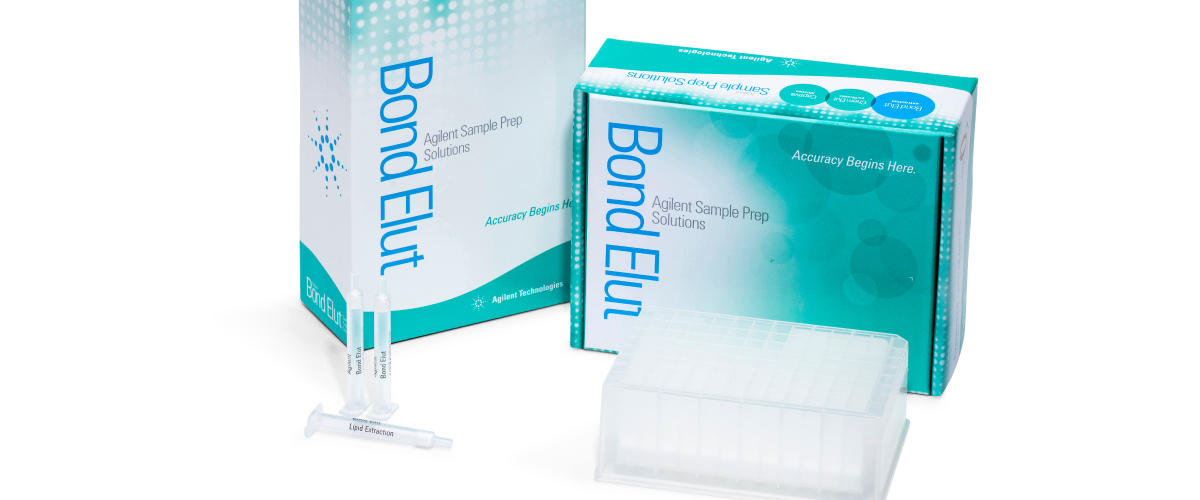
Agilent Bond Elut

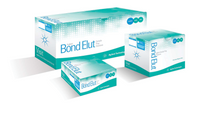
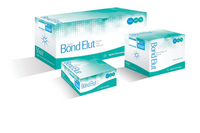
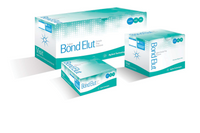
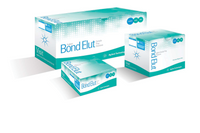
Inorganic SPE products such as Agilent Bond Elut Florisil and Bond Elut Alumina provide highly polar solid phase extraction options for laboratories performing selective cleanup, purification, and matrix reduction before chromatographic analysis. Chrom Tech supplies these specialty sorbents for workflows where conventional reversed-phase or ion exchange chemistries may not provide the right selectivity for environmental, food, and analytical sample preparation.

Within the Agilent Bond Elut family, Florisil and Alumina serve as important inorganic sorbent choices for targeted cleanup of difficult matrices. These phases are especially useful when methods call for adsorption of polar interferences, cleanup of nonpolar sample extracts, or improved flexibility through alternate inorganic surface chemistry.

Bond Elut Florisil

Bond Elut Florisil is a highly polar magnesium-silica sorbent used in specialty SPE cleanup methods. Agilent includes Florisil PR grade for pesticide residue applications and positions it as a practical choice for removing polar contaminants from more nonpolar sample matrices. Its polarity makes it especially useful for cleanup workflows in environmental and food-related testing where matrix selectivity is critical.

Bond Elut Alumina

Bond Elut Alumina is an inorganic aluminum oxide sorbent available in acidic (A), basic (B), and neutral (N) forms. This gives laboratories more flexibility when optimizing method selectivity for different analyte classes and cleanup goals. Alumina is commonly used when a highly polar surface is needed and when a method benefits from alternate adsorption behavior compared with silica-based sorbents.

High Polarity for Selective Cleanup

Inorganic SPE sorbents are often selected because their highly polar surfaces interact strongly with polar matrix components and interferences. This can make them effective for cleanup strategies where the goal is to remove unwanted polar materials while preserving target analytes for downstream HPLC, LC/MS, GC, or GC/MS analysis.

Useful for Environmental and Food Sample Preparation

Agilent groups Florisil and Alumina among specialty Bond Elut phases used in environmental and food safety workflows. These sorbents can be especially valuable for pesticide residue cleanup, large-volume extraction methods, and sample preparation steps that require a cost-effective and established inorganic phase with well-known adsorption properties.

Flexible Inorganic Chemistry for Method Development

Florisil and Alumina provide laboratories with additional cleanup options when standard silica, polymeric, or mixed-mode sorbents are not the best fit. Alumina’s availability in multiple surface forms and Agilent’s note on improved high-pH stability compared with unfunctionalized silica make it a useful option for broader method development and specialty sample prep workflows.

Chrom Tech supplies Inorganic SPE solutions for laboratories seeking highly polar cleanup sorbents with dependable performance and established analytical utility. Whether your application calls for Bond Elut Florisil for pesticide residue cleanup or Bond Elut Alumina for flexible polar adsorption and method optimization, Chrom Tech can help match the right inorganic SPE phase to your workflow.

Key Definitions â–¸
Inorganic SPE
A solid phase extraction approach that uses inorganic sorbents such as Florisil or Alumina for selective cleanup, adsorption, and purification of sample components before chromatographic analysis.
Florisil
A highly polar magnesia-loaded silica gel sorbent commonly used to remove polar interferences from nonpolar sample matrices during SPE cleanup.
Pesticide Residue (PR) Grade
A Florisil grade intended for pesticide residue sample preparation and cleanup workflows, especially in environmental and food-related testing.
Alumina
A highly polar aluminum oxide sorbent used in SPE for adsorption and cleanup of polar compounds from sample extracts.
Acidic, Basic, and Neutral Alumina
Different Alumina surface forms that provide method flexibility by changing the sorbent’s surface chemistry and interaction profile during sample cleanup.
Polar Sorbent
A sorbent with a highly polar surface that interacts strongly with polar analytes or matrix interferences, often used for cleanup of nonpolar extracts.
Viscous Sample Matrix
A thick or slow-flowing sample extract that can benefit from sorbents such as Florisil, which support faster flow during large-volume cleanup.
Polar Interference
An unwanted polar matrix component that can be removed during sample preparation to improve downstream chromatography and detection performance.
High-pH Stability
The ability of a sorbent to maintain performance under basic conditions, an area where Alumina can offer an advantage over unfunctionalized silica.
Frequently Asked Questions â–¸
What is inorganic SPE used for?
Inorganic SPE is used for selective cleanup, adsorption, and purification of sample extracts when highly polar sorbents such as Florisil or Alumina provide better method fit than conventional reversed-phase or ion exchange chemistries.
What is Bond Elut Florisil used for?
Bond Elut Florisil is commonly used for cleanup of polar interferences from nonpolar samples. Agilent describes it as a highly polar magnesia-loaded silica gel and highlights its usefulness for pesticide residue cleanup and viscous sample matrices.
Why would a lab choose Florisil instead of standard silica?
A lab may choose Florisil when it needs a highly polar cleanup sorbent with fast flow characteristics, especially for large sample volumes or more viscous nonpolar extracts where Florisil can be an economical alternative.
What is Bond Elut Alumina used for?
Bond Elut Alumina is used for polar cleanup and adsorption in SPE workflows where a highly polar sorbent is needed. Agilent positions it for strong extraction efficiency and offers it in acidic, basic, and neutral forms for method flexibility.
What is the difference between acidic, basic, and neutral Alumina?
These Alumina forms differ in surface chemistry, which changes how strongly they interact with analytes and matrix components. This gives laboratories more flexibility when optimizing cleanup methods for specific compound classes and extraction goals.
Is Alumina more stable than unfunctionalized silica at high pH?
Yes. Agilent notes that Alumina tends to be slightly more stable than unfunctionalized silica under high-pH conditions, which can make it a useful option for methods run under more basic conditions.
What types of sample preparation workflows benefit from inorganic SPE?
Inorganic SPE is often useful in environmental, food, and analytical chemistry workflows where the method requires cleanup of polar contaminants, pesticide residue preparation, or selective adsorption from nonpolar extracts.
Does Chrom Tech help with inorganic SPE selection?
Yes. Chrom Tech can help identify whether Bond Elut Florisil or Bond Elut Alumina is the better fit based on matrix polarity, cleanup goals, sample viscosity, and the selectivity needed for your workflow.