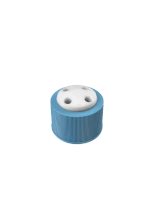
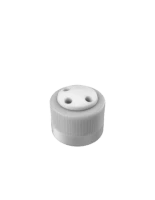
Bottle Caps

Bottle Caps for HPLC Solvent Containment

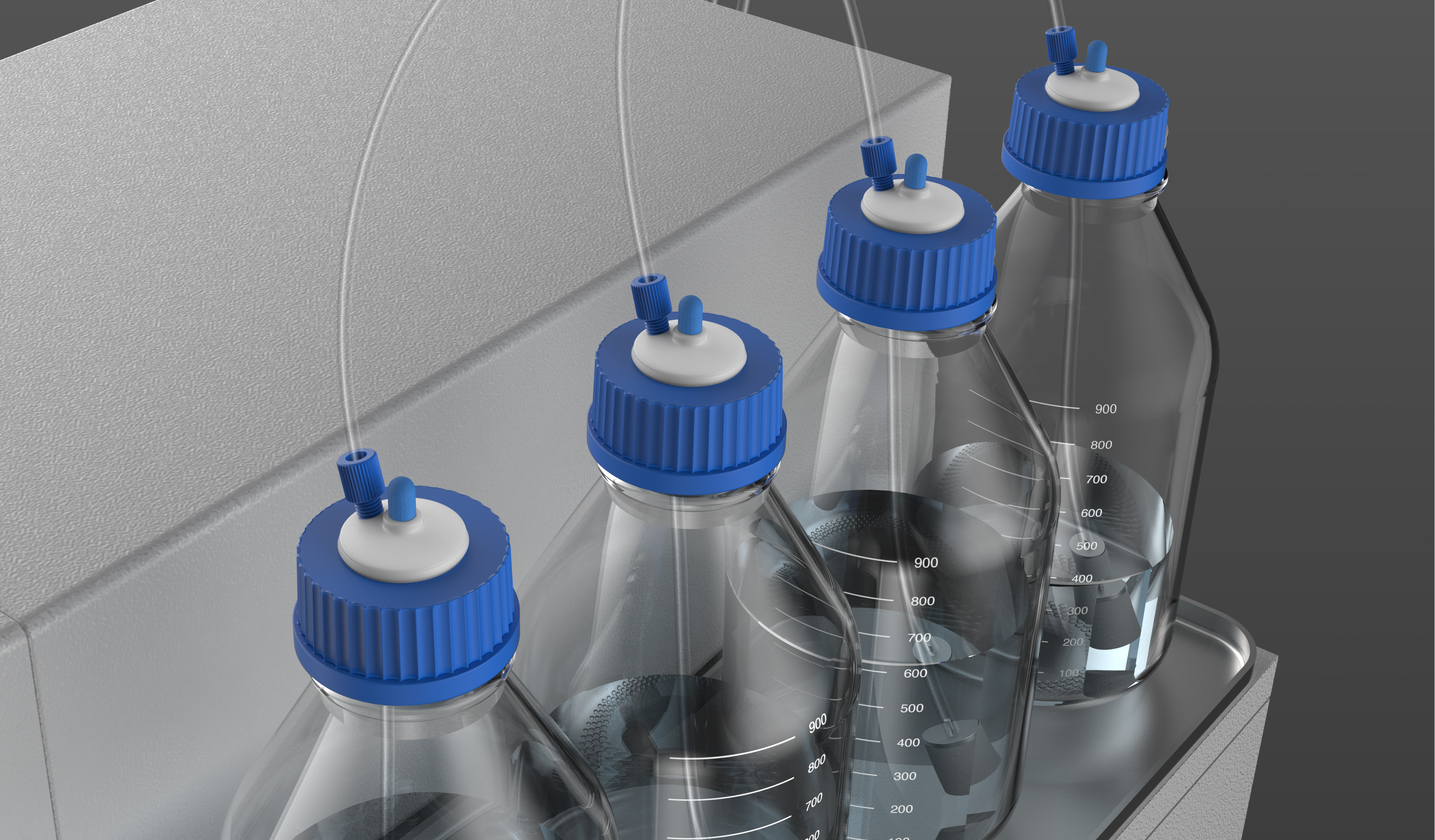
Chrom Tech offers bottle caps, plugs, filters, and venting accessories for HPLC solvent containment, mobile phase delivery, and laboratory fluidic reservoir connections. These components help route solvent tubing from bottles to instruments while supporting cleaner, more organized solvent handling.

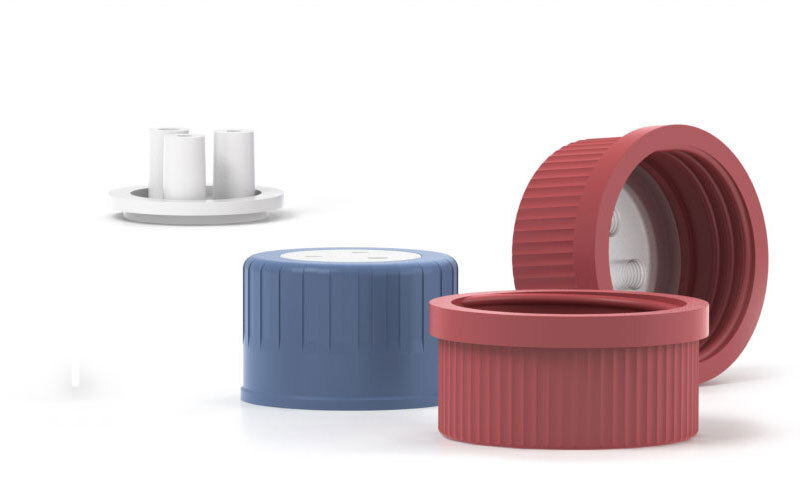
Choose Chrom Tech bottle caps for closed-system solvent extraction across 38-400, GL38, 38-430, and GL45 bottle formats, or select IDEX bottle caps and plugs for GL38/GL45 bottle cap assemblies, tubing ports, luer connections, filtered venting, and unused-port sealing.

Highlights
  • Options for 38-400, GL38, 38-430, and GL45 bottle threads
  • Supports safer solvent extraction with reduced vapor exposure
  • Available with multiple port counts and valve seal configurations
Highlights
  • GL38 and GL45 bottle cap options for laboratory reservoirs
  • Plug and filter options for unused luer or tubing ports
  • Supports organized solvent delivery and filtered bottle venting

Key Definitions â–¸
Bottle Caps for HPLC Solvent Containment
Bottle caps, plugs, filters, and venting accessories used to route solvent tubing from laboratory reservoirs to HPLC, LC-MS, FPLC, SFC, and related fluidic systems. These components help organize mobile phase delivery and support cleaner solvent handling.
Chrom Tech Bottle Caps
Closed-system solvent extraction safety caps for 38-400, GL38, 38-430, and GL45 bottle formats. These caps are designed to reduce open-container exposure, solvent vapor release, and reagent evaporation during instrument operation.
IDEX Bottle Caps and Plugs
Bottle cap assemblies, plugs, filters, and venting accessories for GL38 and GL45 laboratory solvent bottles. IDEX options are commonly used for press-fit tubing access, luer-style connections, unused-port sealing, and filtered bottle venting.
Closed-System Solvent Extraction
A solvent delivery setup that helps reduce vapor exposure and solvent evaporation while pulling liquid from a reservoir to an instrument. This approach is useful for laboratories that want cleaner, safer mobile phase and reagent handling.
Mobile Phase Bottle
A solvent reservoir used to supply mobile phase to HPLC and related instruments. Bottle caps help route tubing from the bottle to the instrument while keeping the reservoir connection organized.
GL38 and GL45 Bottle Caps
Bottle caps made for common laboratory glass bottle thread formats. GL38 and GL45 caps are used with compatible solvent bottles, mobile phase reservoirs, and laboratory fluidic setups.
Tubing Port
An opening in a bottle cap that allows solvent tubing to pass through or connect to the cap. Tubing ports may use threaded fittings, press-fit tubing connections, or plugs depending on the cap design.
Bottle Cap Plug
A plug used to seal unused bottle cap openings, including luer ports or tubing ports. Plugs help close unused access points and support a cleaner, more controlled reservoir setup.
Filtered Venting
A venting approach that allows air to enter the bottle as solvent is withdrawn while helping reduce particulate entry. Filtered venting helps prevent vacuum formation in solvent reservoirs during liquid delivery.
Solvent Reservoir Connection
The connection point between a solvent bottle and the instrument tubing. A proper reservoir connection helps maintain organized tubing, stable solvent withdrawal, and appropriate bottle compatibility.
Frequently Asked Questions â–¸
What are bottle caps for HPLC solvent containment used for?
Bottle caps for HPLC solvent containment are used to connect solvent tubing to laboratory reservoirs and mobile phase bottles. They help keep tubing organized while supporting cleaner solvent delivery to HPLC, LC-MS, FPLC, SFC, and related instruments.
What is the difference between Chrom Tech bottle caps and IDEX bottle caps?
Chrom Tech bottle caps are closed-system safety caps for solvent extraction across 38-400, GL38, 38-430, and GL45 bottle formats. IDEX bottle caps and plugs are used for GL38 and GL45 reservoir connections, press-fit tubing access, luer-style connections, unused-port sealing, and filtered venting.
Which bottle cap should I choose for closed-system solvent extraction?
Choose Chrom Tech safety caps when the goal is closed-system solvent extraction with reduced vapor exposure and reduced evaporation. Match the cap to the exact bottle thread, bottle material, tubing needs, and solvent compatibility requirements.
Which bottle cap should I choose for plugs, filters, or venting?
Choose IDEX bottle caps and plugs when the application requires GL38 or GL45 bottle cap assemblies, press-fit tubing access, luer connections, port plugs, or filtered vent options. These components are useful for simple solvent reservoir access and controlled venting.
What bottle thread formats are included in this category?
This category includes bottle cap options for common solvent reservoir formats such as 38-400, GL38, 38-430, and GL45. Always confirm the exact bottle thread and bottle material before selecting a cap.
Why are bottle cap plugs used?
Bottle cap plugs are used to seal unused ports or openings in bottle caps. They help close extra access points when a tubing or luer connection is not being used.
What does filtered venting do?
Filtered venting allows air to enter the solvent bottle as fluid is withdrawn while helping prevent particles from entering the reservoir. This helps reduce vacuum formation and supports smoother solvent delivery.
Are GL38 and GL45 bottle caps interchangeable?
No. GL38 and GL45 refer to different bottle thread formats and should not be treated as interchangeable. Select the cap that matches the exact bottle thread used in the solvent reservoir.
Can these bottle caps be used with HPLC mobile phase bottles?
Yes. Bottle caps in this category are commonly used with HPLC mobile phase bottles and laboratory solvent reservoirs. They support solvent tubing connections, reservoir organization, port sealing, and controlled venting depending on the selected product.
What should I confirm before selecting a bottle cap?
Confirm the bottle thread, bottle material, tubing outside diameter, number of required ports, venting needs, and solvent compatibility. Matching these details helps ensure the cap fits correctly and supports the intended solvent containment workflow.