
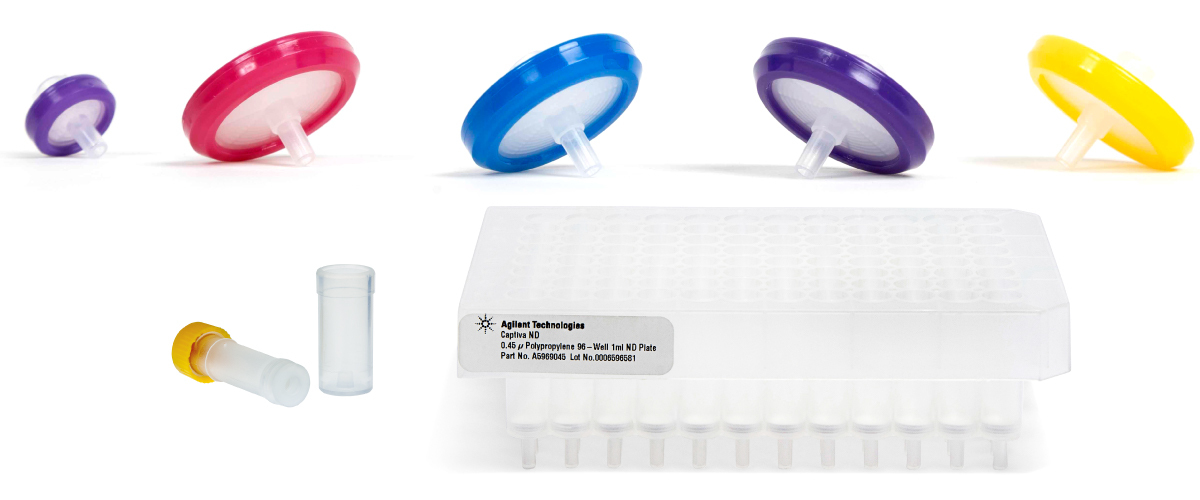
In chromatography, most samples collected directly from their source require some form of sample preparation before injection. The purpose of sample prep is to remove particulates and contaminants that could damage the column, interfere with the system, or affect analytical accuracy. Among the most common and effective sample prep strategies is filtration, which helps create a cleaner, more reliable sample for analysis.
Two widely used filtration formats are syringe filters and filter vials. Both remove particulates, but they differ in design, handling, convenience, and cost. Choosing the best option depends on how the lab prepares samples, how many samples are processed, and what level of flexibility is needed.
What Syringe Filters Are Best For
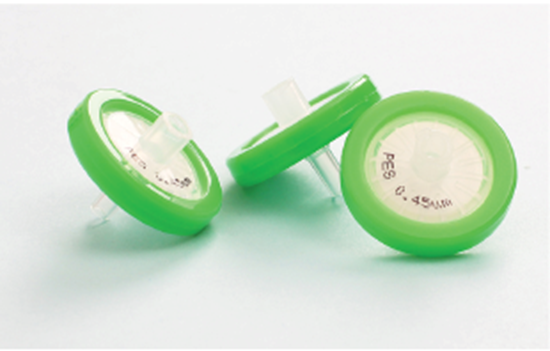
Syringe filters are a familiar and economical choice for small-volume sample filtration. Each filter is a compact plastic device that contains a membrane and connects directly to a syringe through a luer fitting. The sample is pushed through the membrane, and the filtrate is then collected into an HPLC vial or another container.
Syringe filters offer strong flexibility because they are available in a broad range of membrane chemistries, pore sizes, and diameters. According to the current blog, Chrom Tech offers membrane options including Nylon, PTFE, PVDF, PES, CA (Cellulose Acetate), Polypropylene, and Glass Fiber. This makes syringe filters a practical choice when solvent compatibility or sample type varies from one application to the next.
For heavily contaminated or more viscous samples, glass prefilter syringe filters are available. These include an added glass fiber layer that captures larger particulates before they reach the primary membrane, which can improve flow rate and extend filter life in more demanding filtration situations.
What Filter Vials Are Best For
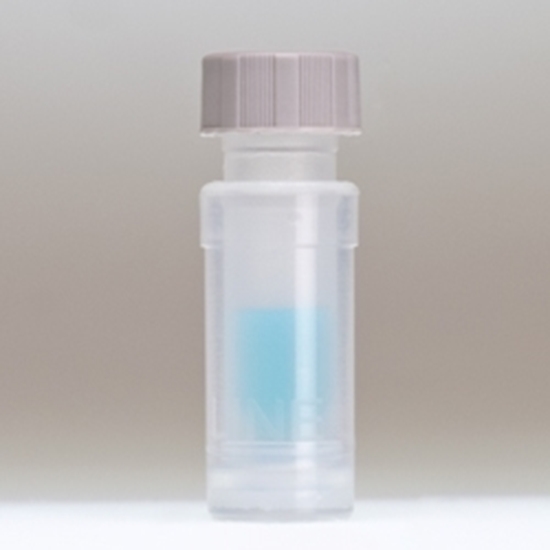
Filter vials combine the membrane and collection vial into a single unit. This design simplifies sample prep because filtration and collection happen inside the same device, reducing the number of handling steps and limiting the chance of contamination during transfer.
To use a filter vial, the sample is pipetted into the lower chamber. When the cap is pressed down, the membrane filters the sample into the upper section while particulates remain below. The filtered sample is then ready for direct injection into a UHPLC or HPLC system.
This format is especially useful when convenience, consistency, and handling efficiency are priorities. Because the sample stays contained during preparation, filter vials can help reduce transfer-related errors and save time in higher-throughput workflows.
Syringe Filters vs. Filter Vials
Both filtration options are effective, but each has different strengths.
- Syringe Filters are typically more economical and available in a wider range of membrane chemistries and pore sizes. They are a strong choice for general laboratory use and high-volume sample prep where flexibility matters.
- Filter Vials offer added convenience, faster handling, and improved contamination control by combining filtration and storage in one sealed device. They are especially useful in UHPLC and HPLC workflows where consistency and efficiency are priorities.
For some laboratories, the best solution is not choosing only one format. Many labs keep both on hand, using syringe filters for routine or varied filtration tasks and filter vials for critical samples or workflows where speed and reduced handling are more important.
How to Decide Which Option Fits Your Workflow
When comparing syringe filters and filter vials, start with the workflow itself. If the lab needs broad membrane selection, different pore sizes, and lower per-sample filtration cost, syringe filters are often the better fit. If the lab wants a simpler process with fewer transfer steps and faster preparation for direct injection, filter vials may be the stronger option.
Other considerations include sample cleanliness, throughput, solvent compatibility, and how often contamination from transfers is a concern. The best choice is the one that fits the routine of the lab without adding unnecessary complexity.
Membrane Selection Guide
| Membrane | Aqueous | Organic | Low Protein Binding | Application |
|---|---|---|---|---|
| Nylon | ● | ● | Commonly used for general laboratory filtration of HPLC samples prior to injection. Nylon is solvent resistant and exhibits low extractables. Nylon binds protein and should not be used when protein recovery is important. | |
| PTFE | ● | PTFE is hydrophobic and chemically resistant to all solvents, acids and bases. Does not impart extractables to the filtrate. PTFE blocks water vapor, making it ideal for transducer protectors. | ||
| PVDF | ● | ● | ● | PVDF (polyvinylidene difluoride) is a solvent resistant membrane that exhibits low levels of UV adsorbing extractables. Use for HPLC sample filtration and general biological filtration. PVDF is a low protein binding membrane. |
| PES | ● | ● | ● | PES (polyethersulfone) is a mechanically strong membrane low in inorganic extractable ions. Typical applications: ion chromatography, tissue culture filtration, filtration of proteins and nucleic acids. |
| Cellulose Acetate | ● | ● | Cellulose Acetate is a very low protein binding membrane (binds less protein than PVDF), ideal for aqueous based samples. CA membranes are an excellent choice when maximum protein recovery in filtrate is critical. | |
| PP | ● | ● | Polypropylene is a hydrophilic membrane that exhibits a wide range of chemical compatibility to organic solvents. A good choice for HPLC sample filtration when performing chromatography protein analysis. | |
| RC | ● | ● | ● | Regenerated Cellulose (RC) is a hydrophilic, solvent resistant, low protein binding membrane. Ideal for removing particulates from HPLC samples prior to injection. Extractables with water are less than 1%. |
| NC | ● | Nitrocellulose (NC) - Mixed Esters (ME) - unsupported filters are hydrophilic and composed of a mixture of inert cellulose nitrate and cellulose acetate polymers. Fast flow rates due to the uniform structure of the membrane. |
Need help selecting the right membrane for your solvent or sample type? Chrom Tech’s technical support team can help identify the right membrane and filtration format for your method.