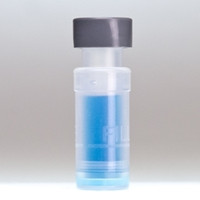
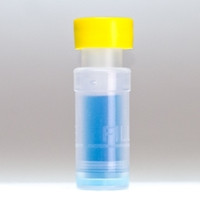
Filter Vials
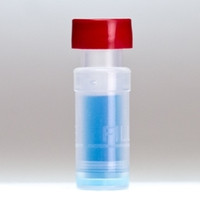
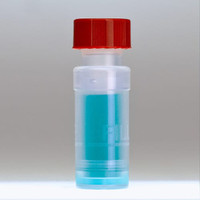
- Integrated filter, vial, and cap—one streamlined device
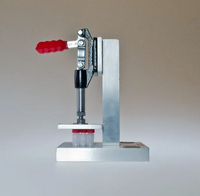
- Simple press-down operation—no tools required
Thomson Filter Vials eliminate multi-step sample transfers by combining filtration and sample containment in a single, convenient device. Each filter vial includes a pre-slit cap (excluding low-evaporation caps) for clean aliquot withdrawal without needle breakage or coring—helping reduce the risk of autosampler interruptions and costly instrument downtime.
Designed for compatibility with most standard HPLC and LC/MS autosamplers, these vials make filtration fast, clean, and repeatable. The push-down design supports consistent sample processing, making filter vials a practical solution for analytical and research labs.
Protein Crash Simplified
Protein precipitation prior to HPLC analysis is often performed offline using separate equipment. Thomson PTFE Filter Vials streamline this workflow by allowing protein crash and filtration in one step— mixing acetonitrile and aqueous solution directly in the bottom chamber. As the filter is pressed down, proteins are trapped while the clean filtrate passes through, ready for injection.
| MEMBRANE | PORE SIZE | CAP COLOR | STANDARD | EXTREME | NANO |
|---|---|---|---|---|---|
| THOMSON FILTER VIALS (100/PK) | |||||
| Nylon | 0.2 µm | Black | FV-1020 | FV-1020EX | FV-1020N |
| Nylon | 0.45 µm | Pink | FV-1045 | FV-1045EX | — |
| PTFE | 0.2 µm | Green | FV-2020 | FV-2020EX | FV-2020N |
| PTFE | 0.45 µm | Blue | FV-2045 | FV-2045EX | FV-2045N |
| PVDF | 0.2 µm | Red | FV-3020 | FV-3020EX | FV-3020N |
| PVDF | 0.45 µm | Yellow | FV-3045 | FV-3045EX | FV-3045N |
| PES | 0.2 µm | Grey | FV-6020 | FV-6020EX | FV-6020N |
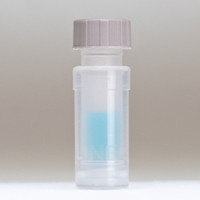
Nano: Pre-slit PTFE/Silicone Septa Snap Cap attached to a Plunger Filter, outside PP shell vial (10 µL dead volume, 250 µL max volume).
Protein samples need to be crashed out before injecting them into the HPLC. Many people have traditionally done off line crash procedures. The Thomson PTFE Filter Vials can do this easily by mixing the acetonitrile and aqueous solution in the bottom chamber, and then allowing the filter to push down trapping the protein, and letting the clean sample come through for analysis.