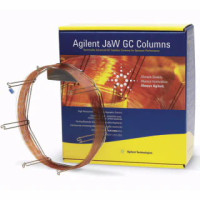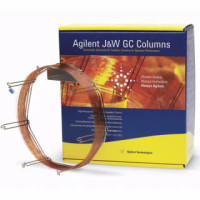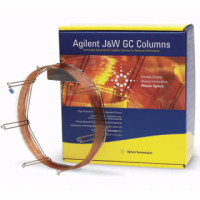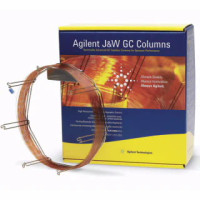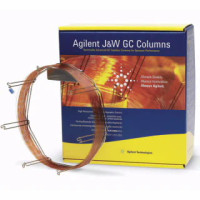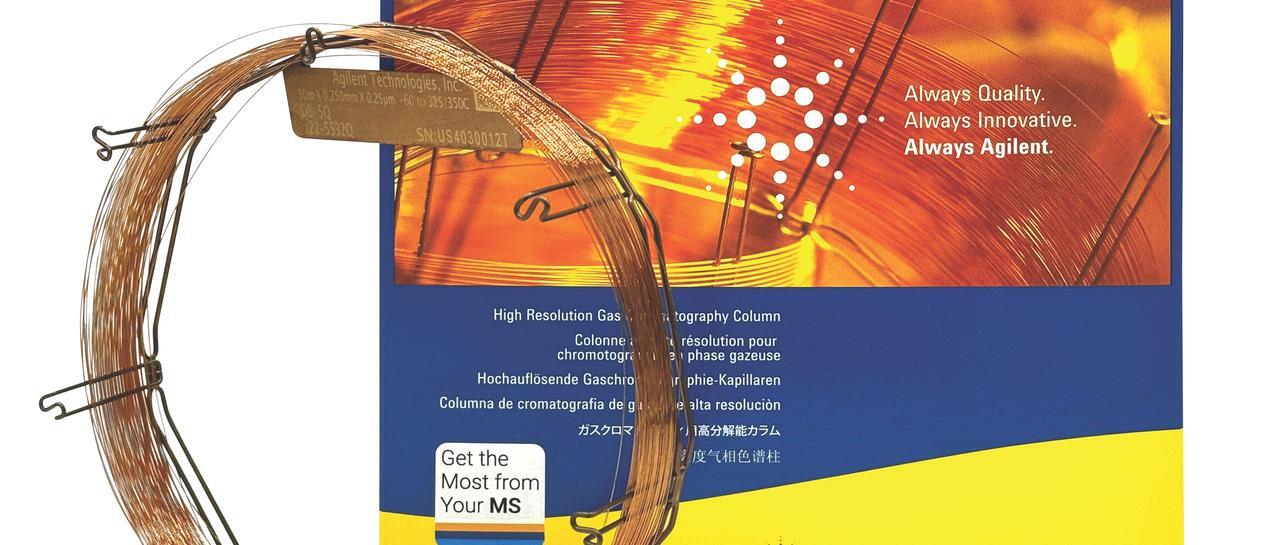
DB-WAX & DB-WaxFF

DB-WAX & DB-WAX FF GC Columns

Agilent J&W DB-WAX and DB-WAX FF columns are high-performance polyethylene glycol (PEG) GC columns specifically engineered for the separation of polar compounds. With strong hydrogen-bonding and dipole-dipole interaction capabilities, these WAX-type phases deliver outstanding selectivity for alcohols, acids, esters, glycols, flavor compounds, and other oxygenated analytes commonly encountered in food, environmental, and industrial testing.

DB-WAX is the industry-standard PEG column, offering excellent peak shapes, reliable retention time stability, and very low column bleed for high-precision GC and GC/MS applications. DB-WAX FF (Fast-Flow) features a specialized tubing configuration designed to reduce analysis time and increase throughput while maintaining the same high-quality selectivity and inertness as the standard DB-WAX phase. The FF format is ideal for high-productivity laboratories needing faster cycle times without compromising data quality.

Both column types are bonded and crosslinked for enhanced thermal stability and solvent rinsability, ensuring long-term performance even with complex sample matrices. Their low bleed characteristics help deliver improved signal-to-noise ratios and lower detection limits, especially important when analyzing trace-level polar analytes or performing GC/MS confirmation work.

Whether used for flavor and fragrance profiling, alcohol and solvent analysis, food composition screening, environmental VOC testing, or industrial process monitoring, DB-WAX and DB-WAX FF provide exceptional reliability, selectivity, and column lifetime. Their broad applicability and proven performance make them trusted, go-to columns for laboratories requiring accurate separation of polar, oxygenated, or thermally sensitive compounds.

Key Definitions â–¸
Polyethylene Glycol (PEG) Phase
A polar stationary phase composed of polyethylene glycol polymers. PEG columns like DB-WAX and DB-WAX FF provide strong hydrogen-bonding and dipole–dipole interactions, making them ideal for separating alcohols, esters, acids, aldehydes, and other polar oxygenated compounds.
WAX Column
A type of GC column utilizing a polar PEG stationary phase. WAX columns are standard in food, fragrance, environmental, and industrial workflows for analyzing alcohols, fatty acids, glycols, and volatile flavor compounds.
DB-WAX FF (Fast-Flow) Design
A variant of the standard DB-WAX column engineered with optimized tubing dimensions to reduce analysis time and increase throughput. DB-WAX FF provides the same selectivity and inertness as DB-WAX but supports faster chromatographic cycles for high-volume labs.
Column Bleed
The release of stationary-phase material at elevated temperatures, which contributes to baseline noise and reduces sensitivity. DB-WAX and DB-WAX FF exhibit very low bleed, improving signal-to-noise ratios and enabling lower detection limits in GC and GC/MS applications.
Bonded and Crosslinked Construction
A chemically reinforced stationary-phase design that improves thermal stability and solvent resistance. Bonded, crosslinked WAX phases provide longer column lifetime, stable retention times, and compatibility with rinse-cleaning procedures.
Frequently Asked Questions â–¸
What types of analytes are best separated with DB-WAX and DB-WAX FF columns?
DB-WAX and DB-WAX FF are ideal for polar, oxygenated compounds such as alcohols, esters, organic acids, glycols, aldehydes, ketones, and flavor/fragrance volatiles. Their strong hydrogen-bonding selectivity makes them well suited for food, environmental, and industrial applications.
What is the difference between DB-WAX and DB-WAX FF?
DB-WAX is the standard PEG WAX column offering excellent selectivity and retention stability. DB-WAX FF (Fast-Flow) maintains the same phase chemistry but uses optimized tubing to reduce analysis time and increase throughput—ideal for high-productivity labs needing faster cycle times without compromising inertness or selectivity.
Can DB-WAX columns be used for GC/MS applications?
Yes. Both DB-WAX and DB-WAX FF are bonded and crosslinked for low bleed, making them fully compatible with GC/MS workflows. Their clean baselines help improve signal-to-noise ratios and support low detection limits for polar analytes.
What is the maximum operating temperature for DB-WAX columns?
DB-WAX columns typically operate up to 250–260 Â°C programmed, depending on the specific dimensions and configuration. Exceeding recommended temperatures may reduce column lifetime or increase bleed, so following Agilent’s temperature guidelines is recommended.
Are DB-WAX columns solvent-rinsable?
Yes. Because DB-WAX and DB-WAX FF are bonded and crosslinked, they can be solvent-rinsed to help regain performance when analyzing dirty or complex matrices. This contributes to longer column lifetime and improved long-term retention stability.