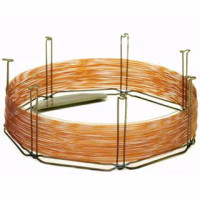
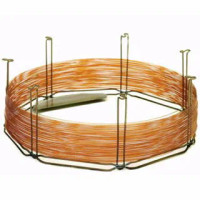
DB-624

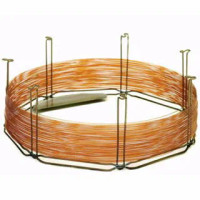
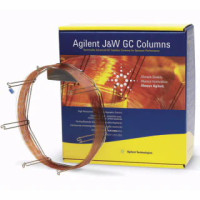
Agilent DB-624 GC Columns
Agilent J&W DB-624 GC columns are engineered for high-performance analysis of volatile organic pollutants (VOCs) using GC and GC/MS. With proven selectivity and rugged performance, DB-624 is widely used across environmental, pharmaceutical, food, and industrial testing workflows. It is specifically recommended for residual solvent analysis per USP Monograph <467> and is validated for numerous Environmental Protection Agency (EPA) VOC methods, including 501.3, 502.2, 503.1, 524.2, 601, 602, 8010, 8015, 8020, 8021, 8240, and 8260. This broad method compatibility has made DB-624 one of the most trusted and widely adopted VOC columns in regulatory laboratories worldwide.
DB-624, equivalent to USP phase G43, features a mid-polar stationary phase composed of 6% cyanopropyl/phenyl and 94% polydimethylsiloxane—offering strong retention and reliable separation of alcohols, ketones, esters, halogenated solvents, and other regulated volatiles. The phase is bonded, crosslinked, and fully solvent-rinseable, providing extended durability and stable performance across a wide operating temperature range from –20 °C to 260 °C.
Each DB-624 column undergoes rigorous Agilent quality control testing, including the industry’s tightest specifications for bleed, sensitivity, and efficiency, ensuring consistent performance for both routine and trace-level VOC analysis. As an authorized distributor of Agilent GC columns, Chrom Tech offers DB-624 as a dependable, high-quality solution for laboratories requiring robust selectivity, regulatory compliance, and long-term reproducibility in VOC workflows.
DB-624, equivalent to USP phase G43, features a mid-polar stationary phase composed of 6% cyanopropyl/phenyl and 94% polydimethylsiloxane—offering strong retention and reliable separation of alcohols, ketones, esters, halogenated solvents, and other regulated volatiles. The phase is bonded, crosslinked, and fully solvent-rinseable, providing extended durability and stable performance across a wide operating temperature range from –20 °C to 260 °C.
Each DB-624 column undergoes rigorous Agilent quality control testing, including the industry’s tightest specifications for bleed, sensitivity, and efficiency, ensuring consistent performance for both routine and trace-level VOC analysis. As an authorized distributor of Agilent GC columns, Chrom Tech offers DB-624 as a dependable, high-quality solution for laboratories requiring robust selectivity, regulatory compliance, and long-term reproducibility in VOC workflows.