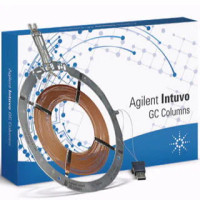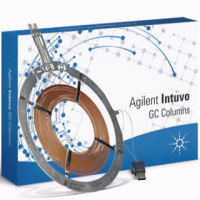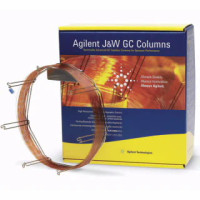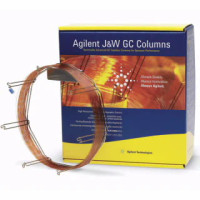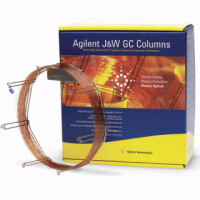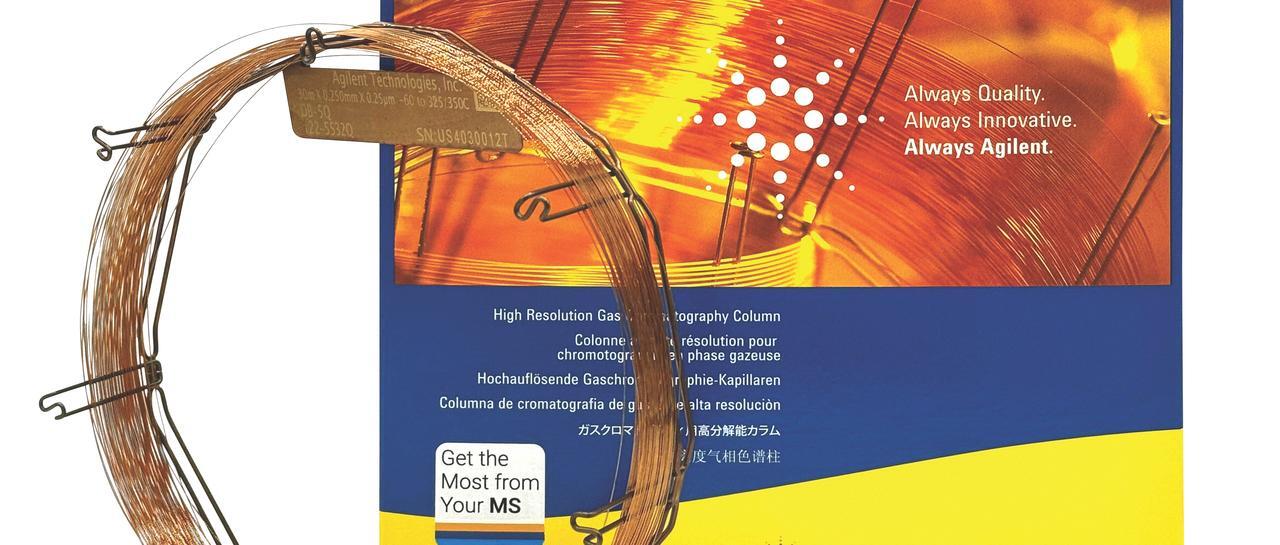
DB-1ms Low-Bleed

Agilent DB-1MS Low-Bleed Columns

  • 100% dimethylpolysiloxane stationary phase
  • Identical selectivity to DB-1 for easy method transfer
  • Non-polar column suitable for a wide range of analytes
  • Ultra-low bleed characteristics engineered specifically for GC/MS
  • Enhanced acid resistance compared to standard 100% PDMS phases
  • Improved signal-to-noise ratio for higher sensitivity and cleaner mass spectra
  • High-temperature stability with a 340/360°C upper limit
  • Reliable general-purpose column for complex, routine, or trace-level work
  • Fully bonded and cross-linked for ruggedness and long column life
  • Solvent-rinsable design extends usability and performance consistency

Agilent DB-1MS columns are trusted for sensitive GC/MS workflows that demand minimal bleed and maximum spectral clarity. Their robust non-polar chemistry makes them a go-to choice for environmental, forensic, petrochemical, and general analytical applications where reproducibility and durability are essential.

Similar Phases: SPB-1, Rtx-1, BP-1, OV-1, OV-101, 007-1(MS), SP-2100, SE-30, ZB-1, AT01, MDN01, ZB-1, ZB-1ms


Key Definitions â–¸
Dimethylpolysiloxane (PDMS)
A non-polar silicone polymer used as the stationary phase in DB-1MS columns. Agilent’s purified, low-bleed PDMS formulation is optimized for GC/MS, providing thermal stability, inertness, and highly reproducible retention behavior.
Low Bleed
The minimized release of stationary-phase material at elevated temperatures. Low bleed improves mass-spectral integrity, reduces baseline noise, and enhances signal-to-noise ratios in GC/MS applications.
Bonded and Cross-Linked
A manufacturing technique where the stationary phase is chemically bonded to the column wall and cross-linked for mechanical and thermal strength. This allows the column to be solvent-rinsed and run at high temperatures without phase degradation.
Solvent-Rinsable
Indicates that the column can be cleaned with appropriate solvents to remove contamination such as non-volatile residues or sample buildup, extending column lifetime and maintaining consistent separation performance.
Temperature Limit (340/360°C)
The maximum recommended operating temperatures for programmed (340°C) and isothermal (360°C) conditions. High-temperature capability supports the analysis of heavier or high-boiling analytes while preserving low-bleed performance.
Frequently Asked Questions â–¸
What makes DB-1MS columns ideal for GC/MS applications?
DB-1MS columns use a highly purified 100% dimethylpolysiloxane stationary phase engineered for exceptionally low bleed, improving mass spectral clarity, baseline stability, and signal-to-noise ratios in GC/MS workflows.
Are DB-1MS and DB-1 columns interchangeable?
Yes. DB-1MS maintains the same non-polar selectivity as DB-1, enabling direct method transfer. The key difference is significantly lower bleed in the DB-1MS, which benefits mass-spectrometric detection.
What sample types are typically analyzed using DB-1MS columns?
DB-1MS columns are widely used in environmental, forensic, petrochemical, industrial, flavor/fragrance, and general-purpose analyses—particularly when targeting non-polar or semi-volatile compounds.
Can DB-1MS columns be solvent-rinsed?
Yes. Because the stationary phase is fully bonded and cross-linked, DB-1MS columns can be rinsed with compatible solvents to remove non-volatile residues and extend operational lifetime.
What is the maximum recommended operating temperature?
DB-1MS columns support maximum temperatures of 340°C for temperature-programmed analyses and 360°C for isothermal conditions, enabling reliable analysis of high-boiling analytes while preserving low-bleed performance.