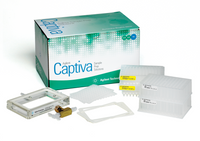
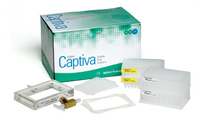
Captiva Filtration

Agilent Captiva Filtration products are engineered to simplify sample preparation while delivering cleaner extracts and more reliable analytical results. Designed for modern HPLC and LC-MS workflows, Captiva solutions help reduce matrix effects, minimize handling steps, and improve reproducibility across a wide range of bioanalytical and analytical applications.

From selective lipid removal to fast protein precipitation and economical syringe filtration, the Captiva portfolio supports both manual and automated workflows—allowing laboratories to streamline sample cleanup without compromising analyte recovery or data quality.

Captiva Filtration Product Families

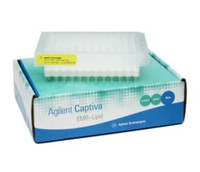
  • Captiva EMR-Lipid — Highly selective lipid removal for complex matrices, helping reduce ion suppression and improve quantitative accuracy.
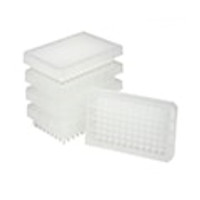
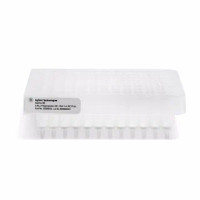
  • Captiva ND — Non-drip protein precipitation devices with exceptional flow, producing MS-ready samples while eliminating centrifugation and manual transfer steps.
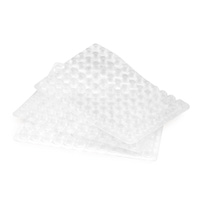
  • Captiva ND Lipids — Combines Captiva ND flow control with chemical lipid filtration for enhanced phospholipid removal and improved LC-MS reproducibility.
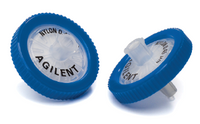
  • Agilent Econofilters — Cost-effective syringe filters offering certified low extractables, excellent flow rates, and dependable performance for routine HPLC and LC-MS sample prep.

Together, these Captiva filtration technologies provide flexible, high-performance cleanup options for laboratories seeking faster workflows, reduced matrix interference, and consistent analytical results—from high-throughput bioanalysis to everyday chromatographic applications.

Agilent Captiva Filtration

Explore Captiva sample prep solutions for cleaner extracts, faster workflows, and more reliable LC-MS and HPLC results.

Key Definitions â–
Sample Preparation
The process of cleaning, concentrating, or conditioning samples prior to analysis to reduce matrix interference and improve chromatographic or mass spectrometry performance.
Protein Precipitation
A cleanup technique that removes proteins from biological samples using organic solvents such as acetonitrile or methanol, producing clarified extracts for LC-MS or HPLC analysis.
Lipid Removal
The selective elimination of phospholipids and other lipids that can cause ion suppression, helping improve sensitivity and quantitative reproducibility in LC-MS workflows.
Ion Suppression
A mass spectrometry effect where co-eluting matrix components reduce analyte signal intensity, potentially impacting detection limits and quantitative accuracy.
Syringe Filter
A disposable filtration device attached to a syringe that removes particulates from liquid samples prior to chromatographic or mass spectrometry analysis.
Automation-Compatible
Describes devices designed to integrate with robotic liquid handlers or positive-pressure processors, enabling consistent, high-throughput sample preparation.
Frequently Asked Questions â–
What is Agilent Captiva Filtration used for?
Captiva Filtration products are used for sample cleanup prior to HPLC or LC-MS analysis, helping remove proteins, lipids, and particulates that can interfere with chromatographic performance and mass spectrometry sensitivity.
What’s the difference between Captiva ND and Captiva ND Lipids?
Captiva ND focuses on fast protein precipitation with excellent flow characteristics, while Captiva ND Lipids adds a chemical filtration layer to selectively remove phospholipids for improved LC-MS quantitation.
When should I use EMR-Lipid?
Captiva EMR-Lipid is ideal for samples with high fat or lipid content, such as food, serum, or tissue extracts, where selective lipid removal helps reduce ion suppression and improve analytical accuracy.
Are Captiva products compatible with automation?
Yes. Captiva plates and devices are SBS-compliant and designed for use with positive-pressure processors and robotic liquid handlers, enabling consistent, high-throughput workflows.
Are Econofilters suitable for LC-MS?
Yes. Agilent Econofilters syringe filters are supplied with HPLC or LC-MS Certificates confirming low extractables, making them appropriate for routine mass spectrometry sample preparation.