Standard Phases & PEG

Agilent Metal GC Columns — Standard Phases & PEG
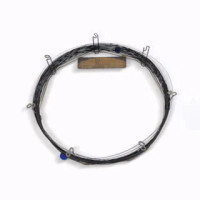
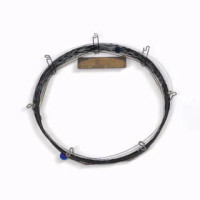
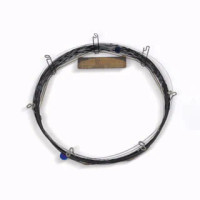
Agilent Metal GC Columns with Standard Phases & PEG chemistries combine the selectivity and analytical
performance of traditional fused-silica stationary phases with the ruggedness and durability of metal
column construction. Engineered for laboratories that require robust operation under challenging
conditions—such as high pressure, high temperature, frequent handling, or process-GC environments—these
columns offer exceptional mechanical strength without compromising chromatographic performance.
Available in a wide range of standard stationary phases, including low-polarity, mid-polarity, and polyethylene glycol (PEG) chemistries, Agilent metal columns deliver reliable separations for alcohols, solvents, oxygenates, hydrocarbons, and other volatile organics. PEG-based metal columns provide enhanced polarity for resolving challenging isomers and oxygen-containing compounds, while traditional phases support general-purpose methods across environmental, petrochemical, industrial, and specialty chemical workflows.
The metal tubing used in these columns resists bending, breakage, and thermal stress—making them ideal for process GCs, portable GC systems, field analytical units, and laboratory instruments subjected to harsh operating conditions. Their robust design also simplifies installation in systems where tight bends or compact oven geometries make fused-silica columns difficult to handle or position.
Agilent Metal GC Columns with Standard Phases & PEG provide dependable retention stability, improved lifetime under demanding conditions, and consistent chromatographic results. Whether used for routine QA/QC, high-throughput industrial monitoring, or rugged field applications, these columns deliver the performance, longevity, and reliability expected from Agilent’s metal-column technology.
Available in a wide range of standard stationary phases, including low-polarity, mid-polarity, and polyethylene glycol (PEG) chemistries, Agilent metal columns deliver reliable separations for alcohols, solvents, oxygenates, hydrocarbons, and other volatile organics. PEG-based metal columns provide enhanced polarity for resolving challenging isomers and oxygen-containing compounds, while traditional phases support general-purpose methods across environmental, petrochemical, industrial, and specialty chemical workflows.
The metal tubing used in these columns resists bending, breakage, and thermal stress—making them ideal for process GCs, portable GC systems, field analytical units, and laboratory instruments subjected to harsh operating conditions. Their robust design also simplifies installation in systems where tight bends or compact oven geometries make fused-silica columns difficult to handle or position.
Agilent Metal GC Columns with Standard Phases & PEG provide dependable retention stability, improved lifetime under demanding conditions, and consistent chromatographic results. Whether used for routine QA/QC, high-throughput industrial monitoring, or rugged field applications, these columns deliver the performance, longevity, and reliability expected from Agilent’s metal-column technology.