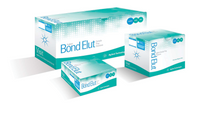
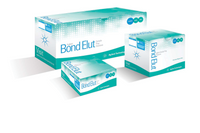
Agilent Bond Elut SPE

SPE Solutions for Complex Sample Cleanup

Agilent Bond Elut sorbents help laboratories improve extract cleanliness, reduce interferences, and protect analytical systems.
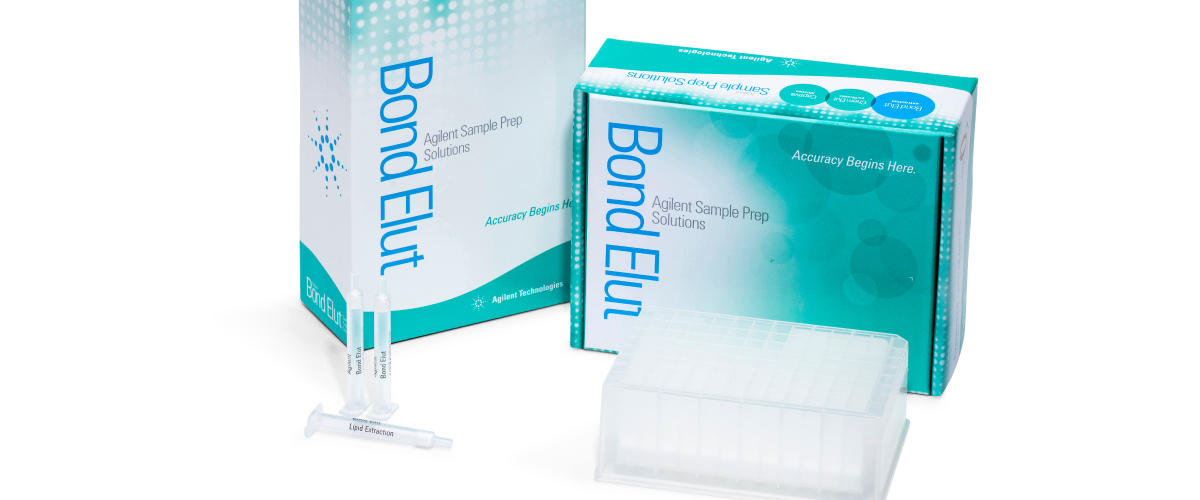
Agilent Bond Elut

Agilent Bond Elut SPE products are designed to deliver reliable, reproducible solid phase extraction for laboratories performing sample cleanup, concentration, and selective analyte isolation prior to chromatographic analysis. Chrom Tech supplies Bond Elut SPE formats that support a wide range of matrix types and retention mechanisms, helping laboratories improve sensitivity, reduce interferences, and protect downstream HPLC, LC/MS, and GC workflows.

This category is organized into multiple Bond Elut SPE sorbent families so laboratories can align extraction chemistry with analyte properties, matrix complexity, and method goals. Whether the application requires broad retention, hydrophobic cleanup, ionic selectivity, mixed-mode retention, or targeted lipid removal, Bond Elut SPE provides dependable options for method development and routine sample preparation.

Chrom Tech helps laboratories choose the right Agilent Bond Elut SPE chemistry for extraction efficiency, analyte recovery, and instrument protection. By organizing SPE options by sorbent type and selectivity, this category makes it easier to identify the right cleanup approach for both routine methods and advanced analytical workflows.

Agilent Bond Elut SPE Categories

Explore Agilent Bond Elut SPE sorbent families for solid phase extraction, selective cleanup, and cleaner chromatography workflows.
Key Definitions
Solid Phase Extraction (SPE)
A sample preparation technique that uses a sorbent bed to retain target analytes or contaminants so samples can be cleaned, concentrated, or fractionated before chromatographic analysis.
Sorbent
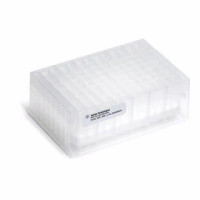
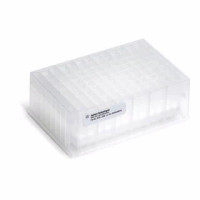
The active extraction material inside an SPE cartridge, tube, plate, or disk that interacts with analytes or matrix components during sample cleanup.
HLB Sorbent
Hydrophilic-lipophilic balanced sorbent chemistry designed to retain a broad range of compounds with different polarities in a single extraction method.
Polymeric SPE
SPE chemistry based on polymer materials rather than silica, often selected for broad pH tolerance, strong retention, and cleaner extracts from complex matrices.
Reversed Phase SPE
A retention mechanism that captures nonpolar to moderately polar analytes through hydrophobic interactions between the sample compounds and the sorbent surface.
Ion Exchange SPE
SPE chemistry that uses charged functional groups to selectively retain oppositely charged analytes, improving cleanup of acidic, basic, or ionic compounds.
Mixed-Mode SPE
An SPE format that combines two retention mechanisms, usually hydrophobic and ionic interactions, to improve selectivity and reduce matrix interference.
Matrix Effects
Signal suppression or enhancement caused by co-extracted sample components that interfere with detection, especially in sensitive LC/MS workflows.
Lipid Removal SPE
A cleanup approach designed to reduce lipids from biological or food-related samples, improving extract cleanliness and reducing downstream contamination or matrix suppression.
Frequently Asked Questions
What is Agilent Bond Elut SPE used for?
Agilent Bond Elut SPE is used for sample cleanup, analyte isolation, and concentration before chromatographic analysis. These products help remove matrix interferences, improve extract cleanliness, and protect downstream HPLC, LC/MS, and GC systems.
How do I choose the right Bond Elut SPE sorbent?
Sorbent selection depends on analyte polarity, charge, matrix complexity, and cleanup goals. HLB sorbents are often chosen for broad retention, reversed phase silica for hydrophobic compounds, ion exchange for charged analytes, and mixed-mode chemistries when additional selectivity is needed.
What is the difference between HLB and polymeric SPE?
HLB sorbents are designed to balance hydrophilic and lipophilic retention for broad method versatility. Polymeric SPE phases, such as Plexa formats, are often selected when laboratories need cleaner extracts, broader pH tolerance, or improved performance in complex sample matrices.
When should ion exchange or mixed-mode SPE be used?
Ion exchange SPE is useful when target analytes carry a charge and need selective retention based on ionic interactions. Mixed-mode SPE is often preferred when both ionic and hydrophobic interactions are needed to improve selectivity and separate analytes from difficult matrix components.
Can Bond Elut SPE help reduce matrix effects in LC/MS?
Yes. Proper SPE cleanup can reduce co-extracted compounds that contribute to ion suppression or enhancement in LC/MS methods. Cleaner extracts can improve reproducibility, method robustness, and overall analytical sensitivity.
Are Bond Elut SPE products suitable for biological and food samples?
Yes. Bond Elut SPE products are commonly used for biological, food, environmental, pharmaceutical, and other complex matrices. Lipid removal and specialty SPE options can be especially useful when samples contain challenging background components.
Why is SPE important before chromatography?
SPE improves sample cleanliness before injection, which can extend column life, reduce system contamination, improve peak quality, and support more reproducible analytical results. It is often a critical step for reliable chromatography in complex sample workflows.
Does Chrom Tech help with Bond Elut SPE selection?
Yes. Chrom Tech helps laboratories identify the most appropriate Agilent Bond Elut SPE chemistry based on analyte type, sample matrix, retention mechanism, and workflow goals so methods can be matched more effectively to the correct cleanup approach.