Rxi-XLB
Restek Rxi-XLB GC Columns
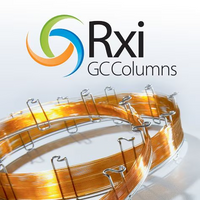
Restek Rxi-XLB GC columns are engineered to deliver exceptionally low bleed and superior inertness for the
most demanding GC-MS workflows. Designed specifically for applications requiring extremely clean
chromatographic backgrounds—such as trace-level environmental monitoring, food safety testing,
toxicological analysis, and forensic investigations—Rxi-XLB columns provide outstanding sensitivity and
consistency across extended temperature ranges.
The proprietary Rxi® deactivation technology applied to the XLB (Extra Low Bleed) phase minimizes stationary-phase bleed, even under aggressive high-temperature conditions. This results in cleaner mass spectra, improved signal-to-noise ratios, and more accurate identification of trace analytes. Analysts working with pesticides, semi-volatiles, PAHs, PCBs, dioxins, pharmaceuticals, and other low-level target compounds benefit from the enhanced clarity and reproducibility that Rxi-XLB columns deliver.
As an authorized distributor of Restek products, Chrom Tech offers Rxi-XLB columns in a full range of dimensions to meet regulatory and application requirements, including U.S. EPA methods for SVOCs, 500/600 series methods for drinking water, and forensic toxicology workflows that require the highest possible analytical sensitivity. Their inert, robust construction ensures stable retention times, excellent peak shapes, and consistent performance across long-term use.
With their combination of extreme low bleed, high inertness, and rugged thermal stability, Rxi-XLB GC columns provide a reliable and sensitive platform for laboratories that demand uncompromising performance in GC and GC-MS analysis.
The proprietary Rxi® deactivation technology applied to the XLB (Extra Low Bleed) phase minimizes stationary-phase bleed, even under aggressive high-temperature conditions. This results in cleaner mass spectra, improved signal-to-noise ratios, and more accurate identification of trace analytes. Analysts working with pesticides, semi-volatiles, PAHs, PCBs, dioxins, pharmaceuticals, and other low-level target compounds benefit from the enhanced clarity and reproducibility that Rxi-XLB columns deliver.
As an authorized distributor of Restek products, Chrom Tech offers Rxi-XLB columns in a full range of dimensions to meet regulatory and application requirements, including U.S. EPA methods for SVOCs, 500/600 series methods for drinking water, and forensic toxicology workflows that require the highest possible analytical sensitivity. Their inert, robust construction ensures stable retention times, excellent peak shapes, and consistent performance across long-term use.
With their combination of extreme low bleed, high inertness, and rugged thermal stability, Rxi-XLB GC columns provide a reliable and sensitive platform for laboratories that demand uncompromising performance in GC and GC-MS analysis.