
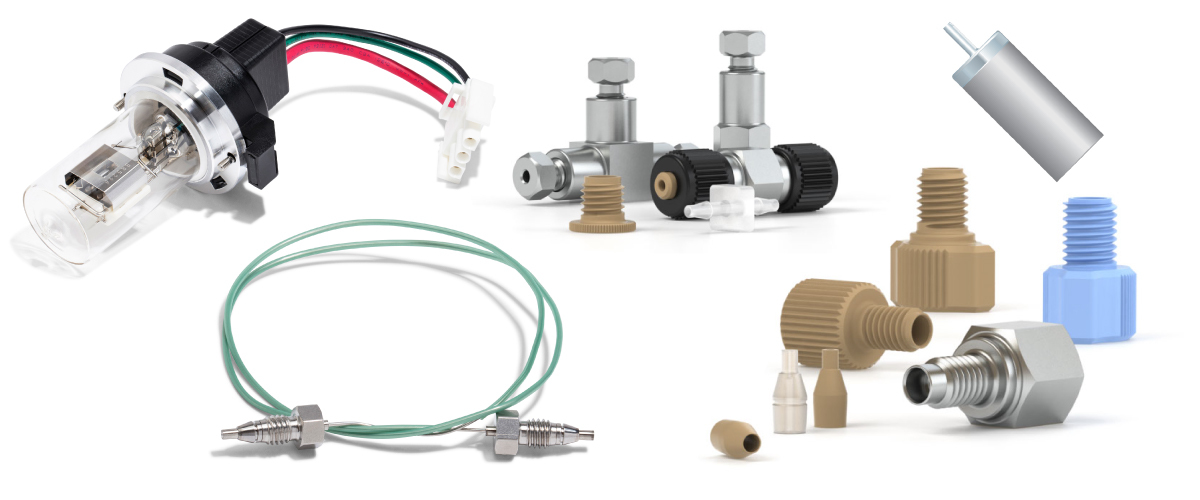
HPLC fittings, connections, and related system components all have the potential to leak. Even a small leak can affect chromatographic performance, waste solvents, and introduce unnecessary downtime into laboratory operations. In many cases, leaks are caused by improper installation, worn-out components, or damaged tubing.
Identifying and fixing these leaks is important for maintaining system performance and analytical reliability. When leaks are addressed quickly and correctly, laboratories can reduce solvent waste, protect system efficiency, and avoid more extensive repairs.
This guide explains common causes of HPLC leaks, practical leak detection methods, repair steps, and maintenance practices that can help reduce future problems.
Understanding HPLC Leaks: Causes and Consequences
HPLC leaks can occur in multiple parts of the system, including fittings, tubing, and connection points. Effective troubleshooting begins with understanding the most common causes.
Common causes of HPLC leaks include:
- Improper installation of fittings
- Worn-out seals and gaskets
- Damaged or degraded tubing
Each of these issues can negatively affect system performance. A leak can cause a pressure drop, reduce separation efficiency, and lead to inaccurate analytical results or failed experiments. When leaks are ignored, the consequences often extend beyond poor chromatography.
Solvent loss increases operating costs, and downtime for repairs can disrupt laboratory productivity. In addition, prolonged solvent exposure may create safety concerns. For these reasons, it is important to address leaks as soon as they are detected and to implement a routine inspection schedule.
Leak Detection Methods in HPLC Systems
Detecting leaks in an HPLC system is an essential part of routine maintenance and troubleshooting. Two of the most practical methods described in this guide are visual inspection and pressure testing.
Visual Inspection
Visual inspection is often the first step in leak detection. Look for signs such as wet areas, solvent stains, or visible fluid around fittings and connections. This method is simple and direct, but it depends on careful observation.
Pressure Testing
Pressure testing helps reveal leaks by identifying unexpected drops in pressure. If system pressure decreases without another clear explanation, a leak may be present somewhere in the flow path.
Using these detection methods together can make it easier to locate the source of a leak before moving on to repair.
Step-by-Step Guide to HPLC Leak Repair
Repairing an HPLC leak requires a careful, methodical process. A structured approach helps reduce mistakes and improves the chances of a successful repair.
Begin by identifying the exact location of the leak. Inspect the fittings, tubing, and adjacent connections for visible signs of damage or fluid. Once the leak source is confirmed, gather the tools and replacement parts you will need.
Basic items to have available include:
- A wrench
- Replacement seals
- Replacement fittings
Use high-quality replacement components whenever possible. Quality parts help maintain compatibility and reduce the risk of repeat leaks.
Next, carefully disconnect the leaking fitting. Work gently to avoid damaging nearby system components. After disassembly, inspect the fitting, seal, and surrounding area for signs of wear, deformation, or chemical degradation.
Replace any worn or damaged seals, and confirm that the replacements are compatible with the solvents used in the system. Proper component compatibility is important for both leak prevention and chemical stability.
Reassemble the connection and tighten the fitting securely. Avoid over-tightening, as excessive force can damage the fitting or tubing and lead to new leaks.
After reassembly, perform a final leak check using visual inspection or leak detection fluid. Confirm that the repair has resolved the issue and that the system is operating normally.
Quick repair checklist:
- Identify the leak location
- Gather the necessary tools
- Disconnect the leaking fitting
- Inspect and replace components as needed
- Reassemble and tighten fittings
- Conduct a final leak check
Following these steps helps improve repair consistency and supports more reliable HPLC operation.
HPLC Troubleshooting: Preventing Future Leaks
Preventing future leaks starts with routine troubleshooting and regular inspection. Early identification of wear or installation issues can save time, reduce solvent loss, and minimize unplanned downtime.
Inspect fittings, tubing, and connection points regularly for signs of damage, wear, or chemical attack. Replacing compromised parts early can prevent larger system problems later.
Using high-quality components is another important preventive measure. Lower-quality parts may degrade faster and are more likely to fail under normal operating conditions.
A structured maintenance plan also improves long-term performance. Routine servicing, calibration, and environmental monitoring can help maintain system stability.
Helpful leak-prevention practices include:
- Conduct routine inspections
- Use high-quality components
- Create a maintenance schedule
- Monitor environmental factors
Proper staff training is also important. Personnel who understand HPLC maintenance and repair procedures are more likely to identify minor issues early and correct them before they become larger problems.
Best Practices for HPLC Maintenance and Documentation
Effective HPLC maintenance depends on both routine care and good documentation. Scheduling regular maintenance checks helps keep the system operating efficiently and makes it easier to detect developing problems before they interrupt analysis.
Documentation is equally important. Keeping detailed records of repairs, inspections, and part replacements helps identify recurring issues and improves long-term system reliability.
Best practices for HPLC maintenance include:
- Conduct regular inspections and maintenance
- Keep detailed logs of all activities
- Train staff in proper maintenance protocols
Training staff on correct maintenance procedures improves consistency and reduces the risk of preventable damage. Well-informed users are better prepared to handle minor adjustments and early troubleshooting tasks.
Conclusion
Fixing and preventing HPLC leaks in fittings and connections requires a combination of careful inspection, correct repair practices, and consistent maintenance. Improper installation, worn seals, and damaged tubing are common causes, but many leaks can be resolved quickly when identified early.
Regular inspections, high-quality replacement parts, proper documentation, and staff training all support stronger system performance and fewer disruptions. By following these practices, laboratories can protect the accuracy, reliability, and efficiency of their HPLC systems.