
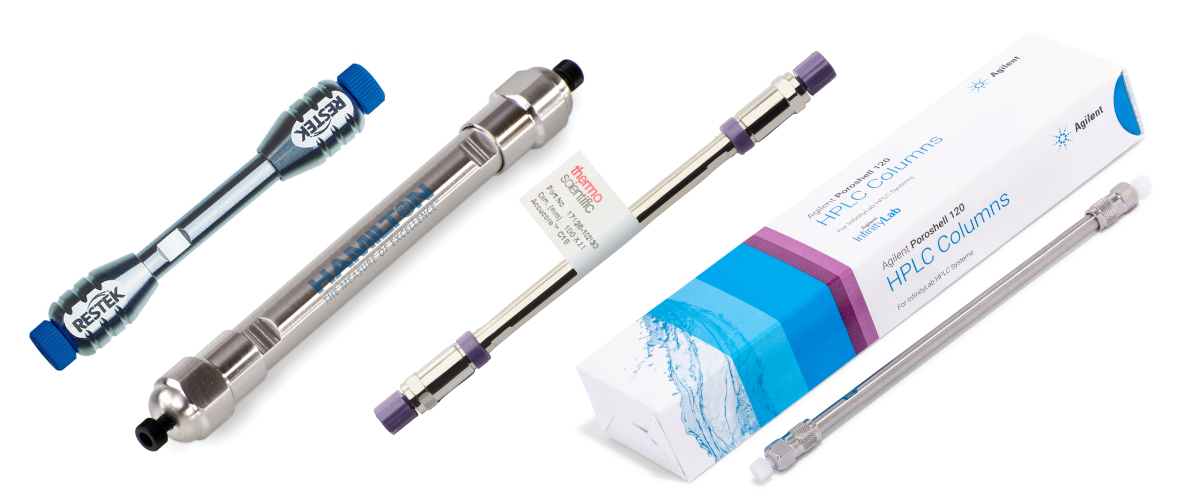
The HPLC column is one of the most important and sensitive components in a chromatography system. Because it is a consumable part, it will eventually require replacement, but proper care and maintenance can significantly extend its lifespan and help maintain reliable, reproducible performance.
Recognizing the early signs of column-related problems allows laboratories to intervene before performance declines further. Common indicators that an HPLC issue may be related to the column include:
- Unusually high system pressure
- Distorted peak shapes such as splitting or tailing
- Unexpected shifts in retention time or selectivity
Although these symptoms may also result from instrument or method issues, the column is often one of the first areas to inspect during troubleshooting.
Diagnosing High System Pressure or Excess Backpressure
A significant increase in HPLC pressure may result from a plugged inlet frit, column contamination, or a blockage elsewhere in the flow path. Before assuming the column is the source of the problem, compare pressure readings with and without the column installed. If high pressure remains when the column is removed, the problem is likely located elsewhere in the system, such as the pump, injector, or tubing.
If the pressure increase is isolated to the column, follow the manufacturer’s cleaning instructions. In many cases, flushing the column with progressively stronger solvents can help remove contaminants and improve flow.
Always disconnect the detector from the flow path before performing a column cleaning procedure.
General Cleaning Procedure for Reversed-Phase HPLC Columns
Use at least ten times the column volume of each solvent, moving in order of increasing strength:
- Start with the mobile phase without buffer salts
- Flush with 100% organic solvent such as methanol or acetonitrile
- If pressure remains high, try stronger cleaning solutions in sequence:
- 75% acetonitrile : 25% isopropanol
- 100% isopropanol
- 100% methylene chloride*
- 100% hexane*
*If methylene chloride or hexane is used, always flush with isopropanol before returning the column to reversed-phase mobile phase conditions.
To reduce the risk of future backpressure problems, always use HPLC-grade solvents, filter all buffered mobile phases, and consider installing an in-line filter between the injector and the column to capture particulates before they reach the packing bed.
Undesirable Peak Shape or Retention Changes
Poor peak shape—such as splitting or tailing—can result from several column-related problems, including contamination, partially plugged frits, voids in the packing bed, or injection solvent mismatch.
To reduce the likelihood of these issues:
- Filter all samples and solvents before use
- Use an injection solvent similar in polarity and strength to the initial mobile phase
- Inspect fittings and tubing regularly for leaks or voids
Shifts in retention time or selectivity over time may indicate column aging or system instability. Common causes include inadequate equilibration, changes in mobile phase composition, fluctuations in flow rate, contamination, or unstable temperature conditions. If cleaning does not restore consistent retention, the column may be approaching the end of its usable life.
Tips for Extending HPLC Column Lifespan
- Always use HPLC-grade solvents to minimize contamination
- Filter all buffers and mobile phases before use
- Use guard columns or in-line filters to trap debris before it reaches the analytical column
- Store columns in the correct solvent according to manufacturer guidance
- Avoid sudden solvent composition or pressure changes
- Backflush the column only if the manufacturer recommends it for the specific phase
When to Replace an HPLC Column
Even with proper care, all HPLC columns eventually degrade. Persistent backpressure, poor peak shape, loss of selectivity, or irreproducible retention that cannot be corrected through cleaning may indicate that replacement is necessary.
Regular monitoring of system performance, along with good solvent and filtration practices, helps maximize useful column life while reducing unexpected failures during analytical work.