
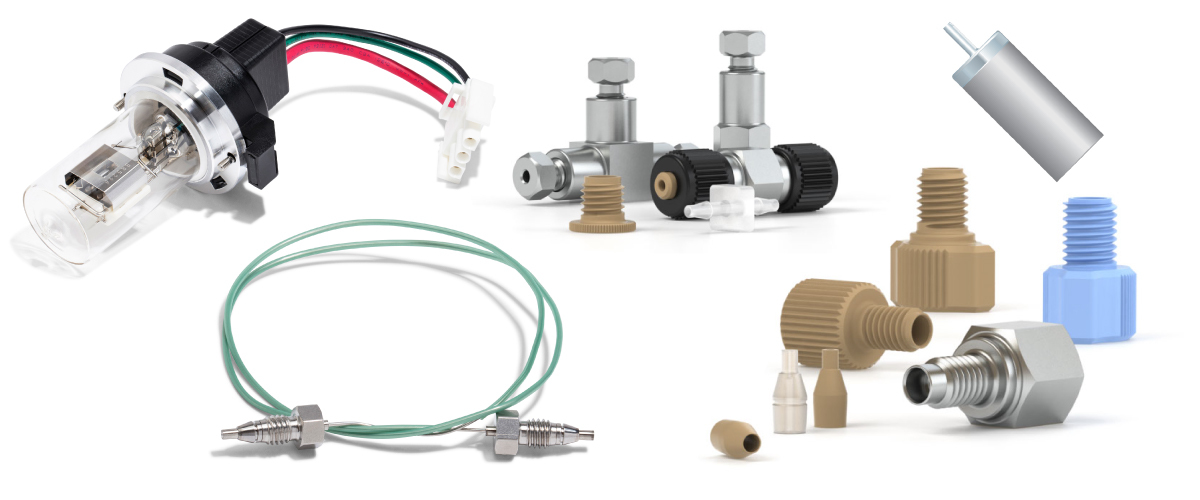
High-performance liquid chromatography (HPLC) is one of the most effective tools in analytical chemistry, but precise results depend on more than just the instrument itself. Small details such as how tubing is cut and connected can directly affect system performance. Clean tubing preparation helps reduce leaks, minimize dead volume, and maintain consistent chromatographic behavior.
Sharp Cuts for Peak Performance
Proper tubing connections are essential for accurate and reproducible chromatography. Jagged, angled, or uneven tubing edges can create unwanted dead volume, which may lead to leaks, broader peaks, and reduced data reliability. Whether using PEEK or stainless steel HPLC tubing, the goal is the same: produce a clean, perpendicular cut that seats properly in the fitting.
- PEEK Tubing: Use a guillotine-style polymer tubing cutter to produce precise, square cuts that reduce dead volume and help prevent leaks.
- Stainless Steel Tubing: Use a dedicated cutter such as the Terry Tool, which rotates around the tubing and cuts cleanly without deforming it. This allows nuts and ferrules to slide on easily without extra deburring or reaming.
Pre-Cut for Precision and Convenience
Although tubing can be cut in the lab, pre-cut stainless steel tubing often offers the most consistent performance. Factory-prepared tubing helps reduce the variability that can occur with manual cutting and provides more uniform connection quality.
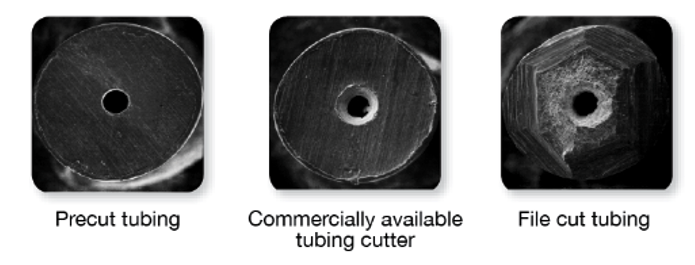
For many chromatography laboratories, pre-cut stainless steel tubing offers several advantages:
- Uniform performance: Factory-cut lengths and burr-free edges help minimize dead volume and improve consistency
- Reduced contamination: Avoids introducing metal shavings or debris during manual cutting
- Time efficiency: Reduces tubing preparation time and keeps focus on analysis
Chrom Tech offers multiple tubing formats to support different workflows:
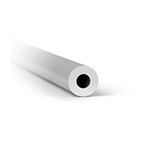
Length 316 SS Tubing
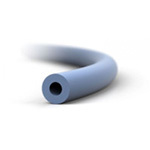
Metal-Free Alternative
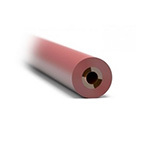
Silica Tubing
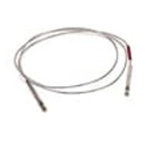
for Agilent Systems
MarvelXACT: Consistent, Click-Tight Connections
If overtightening, under-tightening, or leaks are recurring concerns, MarvelXACT HPLC connections offer a simplified alternative. These fittings come pre-assembled with PEEK or stainless steel tubing and use an audible “click” to indicate the correct torque.
- Helps prevent overtightening with an audible click at the proper torque
- Maintains zero-dead-volume connections to reduce carryover and peak distortion
- Rated fingertight to 19,000 psi and reusable for 100+ connections
Why Proper Tubing Cutting Matters
HPLC tubing may appear simple, but connection quality has a direct effect on overall system performance. Clean cuts and well-seated fittings help preserve pressure integrity, reduce band broadening, and support reliable chromatography.
By using the correct cutting tools, selecting pre-cut tubing when appropriate, and considering connection systems such as MarvelXACT, chromatographers can build cleaner and more reproducible flow paths that support sharper peaks and fewer troubleshooting issues.
