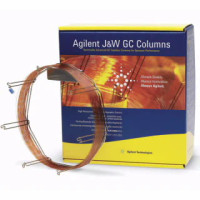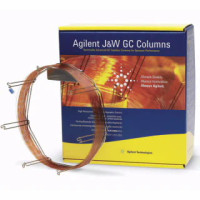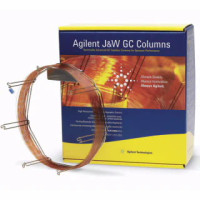
DB-210

Standard Polysiloxane GC Columns

Agilent J&W DB-210 is a highly specialized GC column engineered with a polar (50% cyanopropyl)-methylpolysiloxane stationary phase, delivering enhanced selectivity for analytes containing polar or electron-withdrawing functional groups. This unique chemistry makes DB-210 an ideal choice for regulatory and environmental methods that require precise resolution of complex analytes.

DB-210 is particularly well suited for EPA Method 8140 (analysis of chlorinated acids and esters) and EPA Method 609 (nitrosamines, phenols, and related compounds). Its strong polarity and refined selectivity deliver sharp peak shapes, improved separation of structurally similar species, and reliable quantitation across demanding environmental workflows.

Bonded and crosslinked for maximum thermal stability, DB-210 is solvent-rinsable, low-bleed, and performance-tested to the highest industry QC standards. With a functional operating range of 45 °C to 240/260 °C, this column provides the durability and consistency required for GC and GC/MS applications involving acidic, halogenated, or moderately polar analytes. Its USP phase G6 equivalence ensures compatibility with compendial and regulated methods needing this specific selectivity profile.

Whether used for environmental monitoring, specialty chemical analysis, or confirmation workflows that require high selectivity and reproducibility, DB-210 delivers robust performance with dependable retention behavior and long-term column stability.

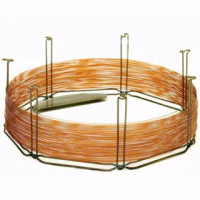
Key Definitions â–¸
(50% Cyanopropyl)-Methylpolysiloxane Phase
A highly polar stationary phase incorporating a high proportion of cyanopropyl functional groups. This composition enhances dipole interactions and improves selectivity for acidic, halogenated, and electron-withdrawing analytes. DB-210 uses this chemistry to resolve complex mixtures encountered in environmental and regulatory testing.
EPA Method 8140
A U.S. Environmental Protection Agency method for analyzing chlorinated acids, esters, and related compounds. DB-210’s enhanced polarity and strong resolution characteristics make it an excellent match for the selectivity requirements of this method.
EPA Method 609
A widely used EPA protocol for the determination of nitrosamines, phenols, and other moderately polar compounds in wastewater. DB-210’s chemistry provides the required selectivity for effective separation and identification of these analytes.
USP Phase G6
A United States Pharmacopeia–designated stationary phase classification for highly polar GC columns. DB-210’s equivalence to USP G6 ensures compatibility with compendial methods requiring this specific polarity and selectivity profile.
Bonded and Crosslinked Construction
A reinforced stationary-phase structure in which the polymer is both chemically bonded to the column interior and structurally crosslinked. This increases thermal stability, reduces bleed, and enables solvent rinsing without degrading the stationary phase—critical for reliability in demanding GC/MS workflows.
Frequently Asked Questions â–¸
What applications are DB-210 columns best suited for?
DB-210 excels in environmental and regulatory workflows, particularly those involving acidic, halogenated, or moderately polar compounds. It is specifically recommended for EPA Methods 8140 and 609, where its enhanced polarity and strong peak resolution support accurate and reproducible analysis.
Why is DB-210 a good choice for EPA environmental methods?
EPA Methods 8140 and 609 require columns with strong polarity and reliable separation of chlorinated acids, esters, nitrosamines, phenols, and other polar analytes. DB-210’s (50% cyanopropyl) stationary phase provides the necessary selectivity and stability these methods demand.
Is DB-210 suitable for GC/MS applications?
Yes. DB-210 is bonded and crosslinked, producing low bleed and excellent thermal stability— key attributes for GC/MS workflows that require clean baselines, high sensitivity, and accurate mass spectral interpretation of polar compounds.
What does the USP G6 equivalence mean for method compatibility?
USP G6 is a compendial stationary-phase designation associated with highly polar GC columns. DB-210’s equivalence ensures compatibility with USP methods requiring G6 selectivity, supporting pharmaceutical and regulatory workflows that must adhere to compendial standards.
What are the benefits of DB-210 being bonded and crosslinked?
Bonding and crosslinking provide enhanced durability, lower bleed, and the ability to solvent-rinse the column for maintenance. This construction ensures longevity, consistent retention times, and stable performance even under demanding temperature programs.