
Lipid Extraction SPE

Agilent Bond Elut Lipid Extraction SPE

Selective SPE formats for cleaner lipid isolation, reproducible recovery, and high-quality lipidomics workflows.
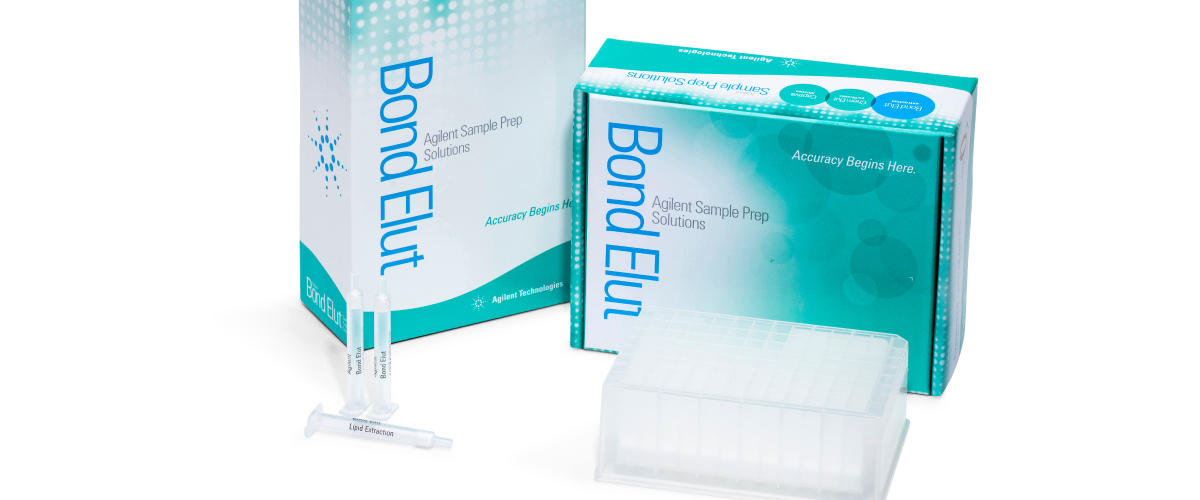
Agilent Bond Elut

Lipid Extraction SPE products such as Agilent Bond Elut Lipid Extraction are designed for highly selective and efficient lipid isolation prior to chromatographic and mass spectrometric analysis. Chrom Tech supplies these SPE formats for laboratories performing lipid analysis, lipid profiling, and lipidomics workflows where cleaner extracts, reproducible recovery, and reduced matrix interference are essential.

Agilent positions Bond Elut Lipid Extraction cartridges and 96-well plates as practical alternatives to more labor-intensive liquid-liquid extraction workflows. By simplifying lipid isolation and improving consistency from sample to sample, these products help laboratories support more reproducible analytical results while reducing preparation time in both routine and higher-throughput environments.

Selective Lipid Isolation for Analytical Workflows

Bond Elut Lipid Extraction is built for workflows that need selective isolation of lipid classes from biological matrices before downstream LC/MS, GC/MS, and related analyses. Agilent highlights these products for use in lipid analysis and lipidomics, where reproducibility and extract cleanliness directly affect method performance and data quality.

Designed for Biological Samples

Agilent method guides describe Bond Elut Lipid Extraction for biological sample types including plasma, cell cultures, and tissue. These matrices often contain proteins, phospholipids, and other co-extractives that can interfere with analytical measurements, making selective sample preparation especially important before instrumental analysis.

Cleaner Extracts Than Traditional Manual Workflows

One of the main advantages of lipid extraction SPE is the ability to generate cleaner, more reproducible extracts without relying entirely on conventional multi-step liquid-liquid extraction. This can help reduce background interference, improve workflow consistency, and make lipid preparation more practical for laboratories seeking better repeatability across replicates.

Cartridge and 96-Well Plate Formats

Agilent offers Bond Elut Lipid Extraction in both 1 mL cartridge and 2 mL 96-well plate formats, giving laboratories flexibility based on throughput requirements. The 96-well configuration is especially useful for laboratories that need a more streamlined, parallel processing format for larger sample sets and automated or semi-automated workflows.

Supports Lipidomics and High-Throughput Analysis

For lipidomics and profiling applications, consistent extraction is critical for comparative data quality and statistical confidence. Agilent application materials position the 96-well Bond Elut Lipid Extraction format as a high-throughput option for human plasma lipidomics and related workflows where sample reproducibility and processing efficiency matter.

Optimized Solvent Workflows for Lipid Recovery

Agilent method documentation also provides solvent guidance for protein precipitation, washing, and elution steps, supporting practical implementation in lipid extraction methods. These workflow details help laboratories improve lipid release, reduce non-lipid carryover, and standardize preparation across samples and analysts.

Chrom Tech supplies Lipid Extraction SPE solutions for laboratories seeking selective lipid isolation, cleaner sample preparation, and more reproducible lipid analysis workflows. Whether your method uses cartridge-based extraction for smaller batches or 96-well plates for higher-throughput lipidomics, Chrom Tech can help match the right Bond Elut Lipid Extraction format to your workflow.
Key Definitions
Lipid Extraction SPE
A solid phase extraction workflow designed to isolate lipids from complex biological samples before chromatographic or mass spectrometric analysis.
Lipidomics
An analytical workflow focused on identifying and comparing lipid classes and lipid species across biological samples, often requiring reproducible sample preparation and clean extracts.
EMR–Lipid Technology
Agilent sample preparation chemistry designed to selectively interact with lipid hydrocarbon chains while helping reduce unwanted matrix components in the extract.
Biological Matrix
A sample source such as plasma, tissue, or cell culture that contains proteins, phospholipids, salts, and other endogenous components that can interfere with lipid analysis.
Protein Precipitation
A sample preparation step used to remove proteins before or during extraction, helping improve transfer, cleanup, and downstream analytical performance.
Phospholipid Interference
Background material from biological samples that can complicate chromatography or MS detection if not reduced during sample preparation.
96-Well Plate SPE
A high-throughput sample preparation format that allows many samples to be processed in parallel, often used for larger lipidomics studies or automated workflows.
Sample-to-Sample Variability
Differences in extraction performance between replicates or batches that can reduce confidence in comparative lipid measurements if workflow consistency is poor.
Liquid-Liquid Extraction (LLE)
A traditional extraction approach that separates compounds between immiscible solvents, often more manual and less workflow-friendly than cartridge- or plate-based lipid extraction formats.
Frequently Asked Questions
What is Lipid Extraction SPE used for?
Lipid Extraction SPE is used to isolate lipids from complex biological samples before LC/MS, GC/MS, and related analytical workflows. It is commonly used in lipid analysis, lipid profiling, and lipidomics where clean extracts and reproducible recovery are important. :contentReference[oaicite:1]{index=1}
What samples can Agilent Bond Elut Lipid Extraction be used with?
Agilent describes Bond Elut Lipid Extraction for biological samples such as plasma, cell cultures, and tissue. These sample types often require selective cleanup because they contain proteins, phospholipids, and other interfering background components. :contentReference[oaicite:2]{index=2}
How is lipid extraction SPE different from traditional liquid-liquid extraction?
Lipid extraction SPE is designed to provide a more streamlined and reproducible workflow than traditional liquid-liquid extraction. Agilent positions the 96-well Bond Elut Lipid Extraction format as a simpler and more efficient approach for lipidomics sample preparation. :contentReference[oaicite:3]{index=3}
What does EMR–Lipid technology do?
Agilent describes EMR–Lipid chemistry as selectively trapping linear hydrocarbon chains, which helps reduce lipid-related matrix background while leaving other target analytes more accessible for analysis. This supports cleaner extracts and better downstream performance. :contentReference[oaicite:4]{index=4}
What formats are available for Bond Elut Lipid Extraction?
Agilent offers Bond Elut Lipid Extraction in 1 mL cartridge and 2 mL 96-well plate formats. This allows laboratories to choose between smaller-scale sample preparation and higher-throughput workflows. :contentReference[oaicite:5]{index=5}
Why is Lipid Extraction SPE useful for lipidomics?
Lipidomics depends on consistent extraction and clean sample preparation so lipid patterns can be compared confidently across replicates and study groups. Agilent specifically links Bond Elut Lipid Extraction to lipidomics workflows and human plasma lipidomic analysis. :contentReference[oaicite:6]{index=6}
Is the 96-well format useful for higher-throughput lipid analysis?
Yes. The 96-well plate format is designed for parallel sample processing and is well suited for higher-throughput lipid analysis and lipidomics workflows where many samples must be prepared consistently. :contentReference[oaicite:7]{index=7}
Does Chrom Tech help with Lipid Extraction SPE selection?
Yes. Chrom Tech can help identify the best Bond Elut Lipid Extraction format based on sample type, throughput needs, and whether your workflow is focused on routine lipid analysis, profiling, or larger lipidomics studies.