Ion Mixed Mode Silica SPE

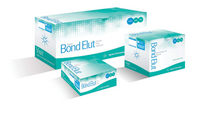
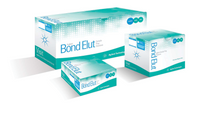
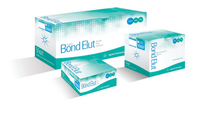
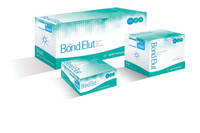
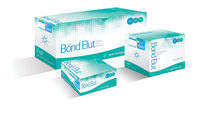
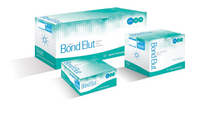
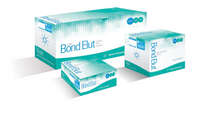
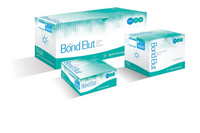
Agilent Bond Elut Ion Mixed Mode Silica SPE

Mixed-mode silica SPE sorbents that combine ion exchange and reversed-phase retention for selective biological sample cleanup.
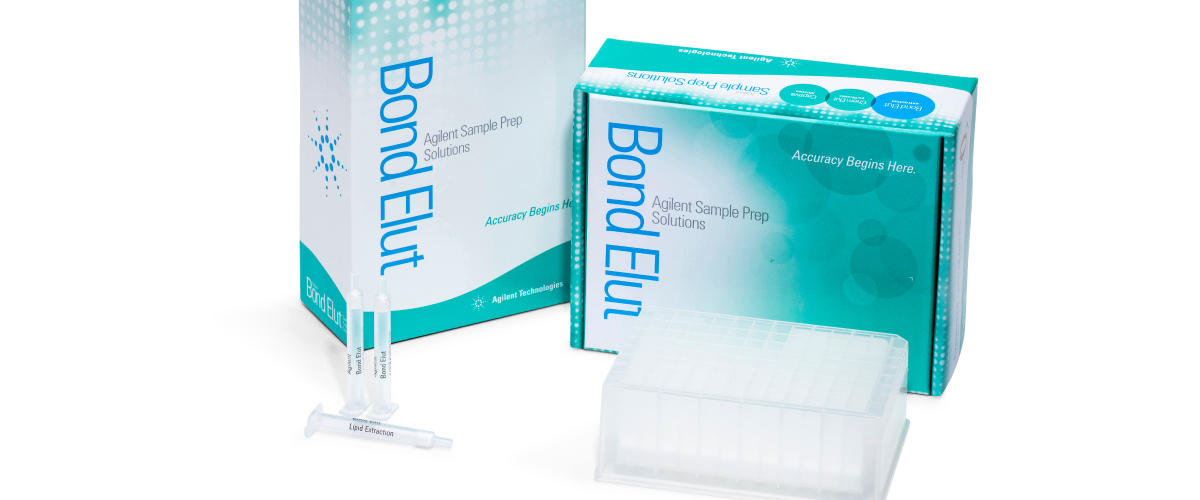
Agilent Bond Elut

Agilent Bond Elut Ion Mixed Mode Silica SPE products are designed for solid phase extraction methods that combine ion exchange selectivity with reversed-phase retention. Chrom Tech supplies these mixed-mode silica sorbents for laboratories that need more targeted cleanup of acidic, basic, and neutral compounds from complex biological and aqueous matrices before HPLC, LC/MS, GC, and related analytical workflows.

The Bond Elut platform has long been used in analytical laboratories for reliable SPE performance, reproducible manufacturing consistency, and broad method utility. Within that family, mixed-mode silica sorbents provide an important advantage when nonpolar retention alone is not selective enough and charge-based retention is needed to improve cleanup, analyte isolation, and method robustness.

Mixed-Mode SPE for Greater Selectivity

Mixed-mode silica SPE combines two retention mechanisms in one sorbent system, allowing laboratories to control extraction through both hydrophobic and ionic interactions. This approach can improve cleanup from difficult biological matrices, reduce background interference, and help separate target compounds from endogenous contaminants more effectively than single-mode SPE alone.

Bond Elut AccuCAT

Agilent positions Bond Elut AccuCAT as a mixed-bed cartridge containing strong cation exchange (SCX) and strong anion exchange (SAX) sorbents. This configuration is designed for extraction of acidic, basic, and neutral analytes from biological samples and is especially associated with workflows involving urine and other biological fluids where broad analyte coverage is needed.

Bond Elut Certify

Bond Elut Certify combines nonpolar C8 retention with strong cation exchange (SCX) functionality. This mixed-mode design is widely used for selective extraction of basic drugs and related compounds from urine, plasma, serum, and other biological matrices where reproducible cleanup is critical for toxicology and clinical workflows.

Bond Elut Certify II

Bond Elut Certify II combines nonpolar C8 with strong anion exchange (SAX) functionality and is optimized for acidic drugs and metabolites. Agilent positions this chemistry for rapid and effective extraction from urine and other biological matrices when methods require strong retention of compounds that exhibit both hydrophobic and anionic character.

Designed for Biological Sample Cleanup

Ion mixed-mode silica SPE is especially useful in workflows involving biological samples because these matrices often contain both hydrophobic interferences and charged endogenous compounds. By combining ion exchange and reversed-phase retention, Bond Elut mixed-mode sorbents can help improve extract cleanliness, support better reproducibility, and reduce downstream matrix effects.

A Proven Option for Targeted SPE Methods

Whether a method is focused on broad analyte coverage, selective extraction of basic compounds, or cleanup of acidic drugs and metabolites, the Bond Elut mixed-mode silica family offers established sorbent choices for routine and validated sample preparation workflows. These chemistries are well suited for laboratories that need stronger selectivity than conventional reversed-phase SPE alone can provide.

Chrom Tech supplies Agilent Bond Elut Ion Mixed Mode Silica SPE products for laboratories seeking targeted cleanup of complex samples using combined ionic and hydrophobic retention. Whether your workflow calls for AccuCAT, Certify, or Certify II, Chrom Tech can help match the right mixed-mode silica SPE chemistry to your analyte class, matrix type, and method goals.
Key Definitions â–¸
Mixed-Mode SPE
A solid phase extraction approach that combines two retention mechanisms, such as ion exchange and reversed-phase retention, to improve analyte selectivity and matrix cleanup.
Ion Exchange Retention
A retention mechanism based on electrostatic attraction between a charged analyte and an oppositely charged sorbent functionality.
Reversed-Phase Retention
A nonpolar retention mechanism where hydrophobic analytes interact with a nonpolar sorbent surface such as C8 during sample cleanup and extraction.
Bond Elut AccuCAT
A mixed-bed Bond Elut SPE cartridge that combines strong cation exchange and strong anion exchange sorbents for extraction of acidic, basic, and neutral analytes from biological samples.
Bond Elut Certify
A mixed-mode silica SPE sorbent that combines nonpolar C8 retention with strong cation exchange functionality for selective extraction of basic drugs from biological matrices.
Bond Elut Certify II
A mixed-mode silica SPE sorbent that combines nonpolar C8 retention with strong anion exchange functionality for selective extraction of acidic drugs and metabolites.
Strong Cation Exchange (SCX)
An ion exchange functionality used to retain positively charged analytes, commonly applied in SPE methods for basic compounds.
Strong Anion Exchange (SAX)
An ion exchange functionality used to retain negatively charged analytes, commonly applied in SPE methods for acidic compounds and metabolites.
Biological Matrix
A sample type such as urine, plasma, serum, or other biofluid that contains endogenous components requiring selective cleanup before chromatographic analysis.
Frequently Asked Questions â–¸
What is Agilent Bond Elut Ion Mixed Mode Silica SPE used for?
Agilent Bond Elut Ion Mixed Mode Silica SPE is used for selective extraction and cleanup of acidic, basic, and neutral analytes from complex biological matrices by combining ion exchange and reversed-phase retention. :contentReference[oaicite:0]{index=0}
What is the advantage of mixed-mode silica SPE over single-mode SPE?
Mixed-mode silica SPE gives laboratories two retention mechanisms in one workflow, which can improve selectivity and help separate target compounds from difficult biological matrix components more effectively than reversed-phase or ion exchange alone.
What is Bond Elut AccuCAT used for?
Bond Elut AccuCAT is a mixed-bed SPE cartridge containing strong cation exchange and strong anion exchange sorbents. Agilent describes it as effective for extraction of acidic, basic, and neutral analytes from biological samples, particularly catecholamines from biofluids. :contentReference[oaicite:1]{index=1}
What is Bond Elut Certify used for?
Bond Elut Certify combines nonpolar C8 and strong cation exchange functionality. Agilent says it is most commonly used to extract basic drugs from urine and blood and is also effective across a range of aqueous matrices. :contentReference[oaicite:2]{index=2}
What is Bond Elut Certify II used for?
Bond Elut Certify II combines nonpolar C8 and strong anion exchange functionality. Agilent says it was developed for rapid extraction of acidic drugs and metabolites from urine and other biological matrices and is optimized for compounds with nonpolar and anionic characteristics. :contentReference[oaicite:3]{index=3}
When should a lab choose Certify versus Certify II?
A lab would generally choose Certify when the target compounds are basic drugs that benefit from strong cation exchange retention, and choose Certify II when the target compounds are acidic drugs or metabolites that require strong anion exchange selectivity. :contentReference[oaicite:4]{index=4}
What sample types are these mixed-mode silica sorbents commonly used with?
Agilent positions these sorbents primarily for biological matrices such as urine, blood, plasma, serum, and related biofluids where selective cleanup is important for analytical accuracy. :contentReference[oaicite:5]{index=5}
Does Chrom Tech help with Bond Elut mixed-mode silica SPE selection?
Yes. Chrom Tech can help match the right Bond Elut mixed-mode silica SPE chemistry to your workflow based on analyte class, matrix type, and whether your method needs broad mixed-bed extraction, basic drug cleanup, or acidic metabolite selectivity.